“Security enabled” is not one switch. On ESP32-C6, Secure Boot and flash encryption address different parts of the device lifecycle, and combining them does not remove the need to plan updates, recovery and key management.
Espressif’s Secure Boot v2 guide describes signature verification for the second-stage bootloader and application images. The flash-encryption guide covers encryption of off-chip flash contents. One feature helps ensure the device boots authorized software; the other helps protect stored firmware and data against physical flash readout.
Separate the security goals
Secure Boot is about authenticity and execution: the boot process verifies signed code before it runs. Espressif’s guide describes RSA-PSS or ECDSA verification and notes that public keys are stored on-device while their corresponding private keys should remain protected outside the device.
Flash encryption protects data at rest in external flash. Espressif warns that enabling it affects the options available for future updates and says production use should follow its release-mode guidance. That is a strong reason to validate the production workflow on test devices before committing a manufacturing process.
Plan for the day a key or update must change
A secure product needs a documented signing-key custody process, a recovery and update strategy, and a clear understanding of irreversible provisioning settings. Decide how a key rotation or compromise would be handled before deployment, and test the normal update path and recovery behavior on hardware representative of production.
- Keep signing keys out of developer workstations and routine build jobs.
- Document who can approve a release and how artifacts are signed.
- Test the intended update and recovery path before manufacturing.
- Review the ESP-IDF guide’s eFuse and production implications with the hardware team.
- Record the security configuration for each shipped hardware revision.
This is an architecture overview, not a step-by-step provisioning guide. Consult Espressif’s version-matched documentation before configuring a device. Secure Boot and flash encryption are powerful controls, but incorrect lifecycle planning can make legitimate maintenance difficult.
Sources
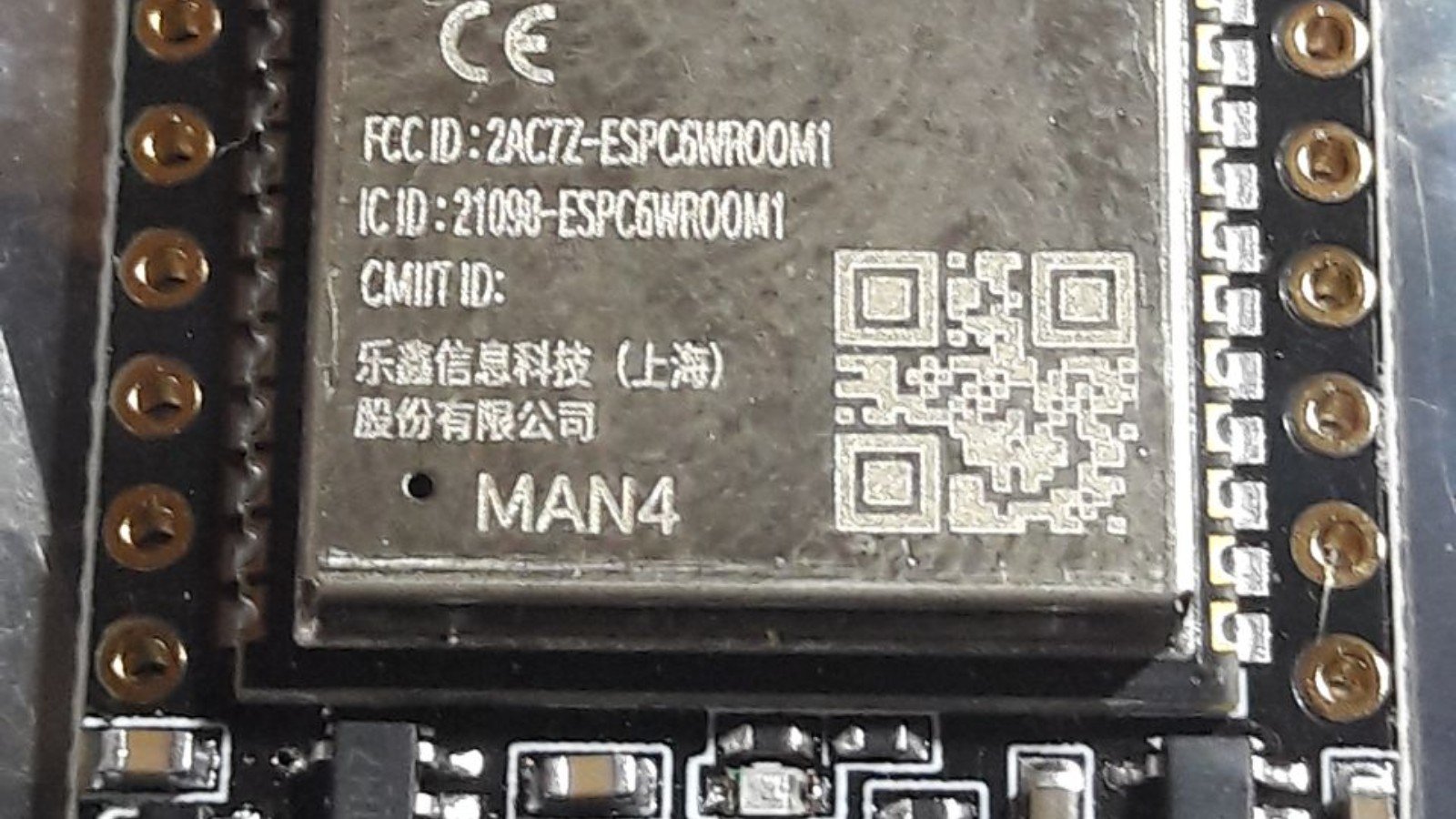
Featured image credit: Illustrative ESP32-C6-WROOM-1 development board photo by Popolon via Wikimedia Commons, CC BY-SA 4.0. Cropped to 16:9. Source.

Leave a Reply