
On a connected aircraft, a firmware update can change how sensors are interpreted, how the vehicle reports its state and how it behaves after an error. That makes update security part of product reliability—not an isolated IT task.
NIST Special Publication 800-193, Platform Firmware Resiliency Guidelines, describes three useful goals: protect firmware against unauthorized changes, detect changes that occur, and recover securely. Although the publication is not a drone certification standard, its principles apply to embedded product teams that need to preserve trustworthy boot and recovery behavior.
Build a trustworthy update path
Start with a clear inventory of what code can be updated, who is allowed to authorize a release and how a device checks that release before installing it. The secure-update design should cover the controller and supporting components as well as the aircraft itself. Make version identity visible to support staff, and ensure that update packages can be matched to the intended hardware.
Recovery deserves equal attention. Test interrupted downloads, power loss during installation, an invalid image and a failed update. The expected result should be documented and repeatable: for example, refusing an untrusted image while preserving a known-good recovery route. Avoid a design where a cryptographic failure leaves the device in an ambiguous state with no safe service procedure.
Test the lifecycle, not only the signature
- Document trust anchors, key ownership, rotation and revocation procedures.
- Verify authenticity and integrity before activating new firmware.
- Record update version, outcome and relevant device state for troubleshooting.
- Exercise rollback and recovery with realistic power and connectivity failures.
- Review the effect of an update on the aircraft’s approved configuration and operating documentation.
NIST’s guidance is a foundation for resilience, not a ready-made compliance label. Product teams should adapt it to their architecture, risk model and applicable regulatory obligations. A signed update is valuable, but only one part of a system that can protect itself, recognize trouble and recover predictably.
Sources
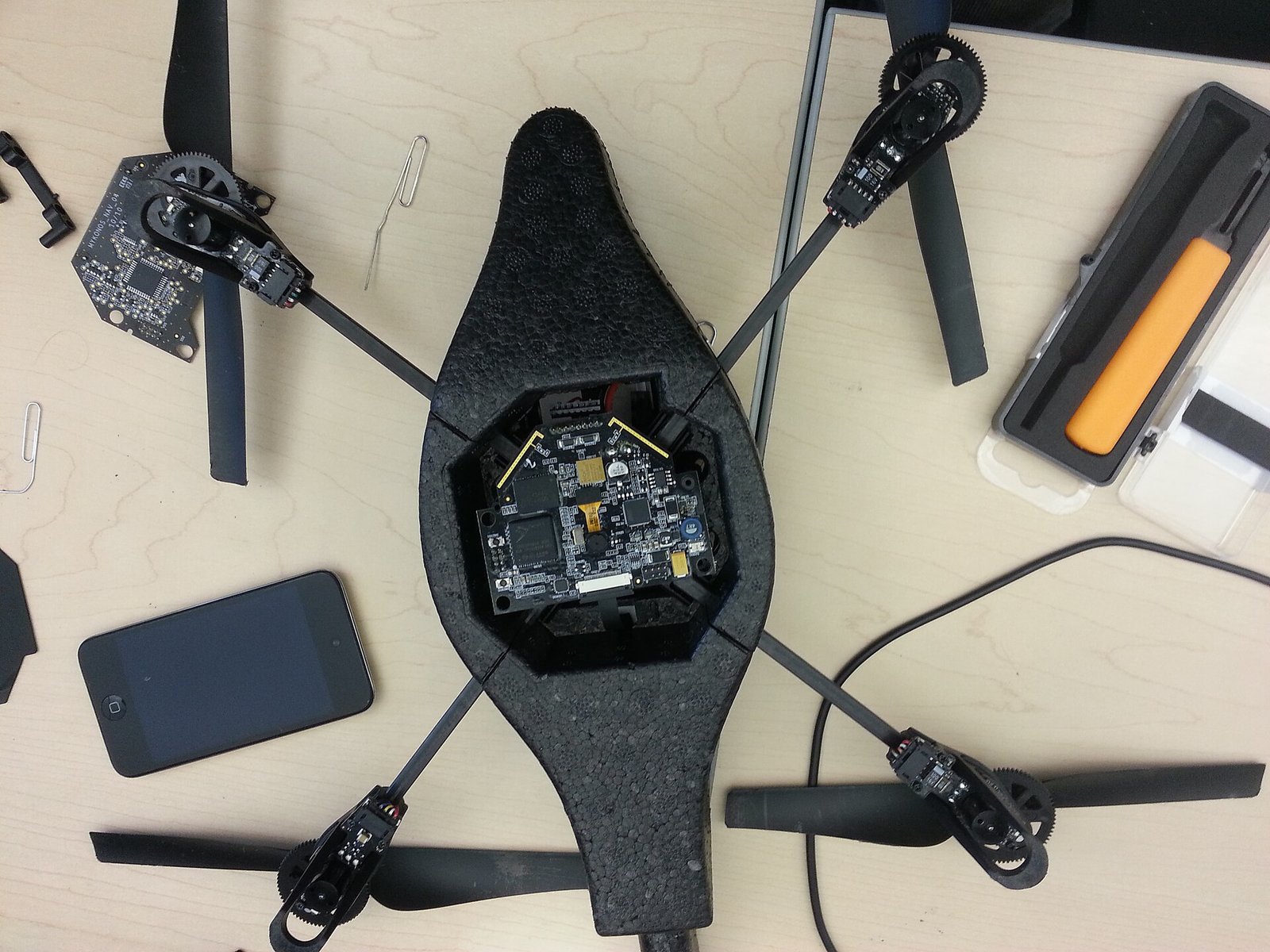
Featured image: Ryan Decker, “Quadcopter Bottom Removed,” CC BY-SA 3.0, via Wikimedia Commons. Image may be cropped for display. Source.

Leave a Reply