
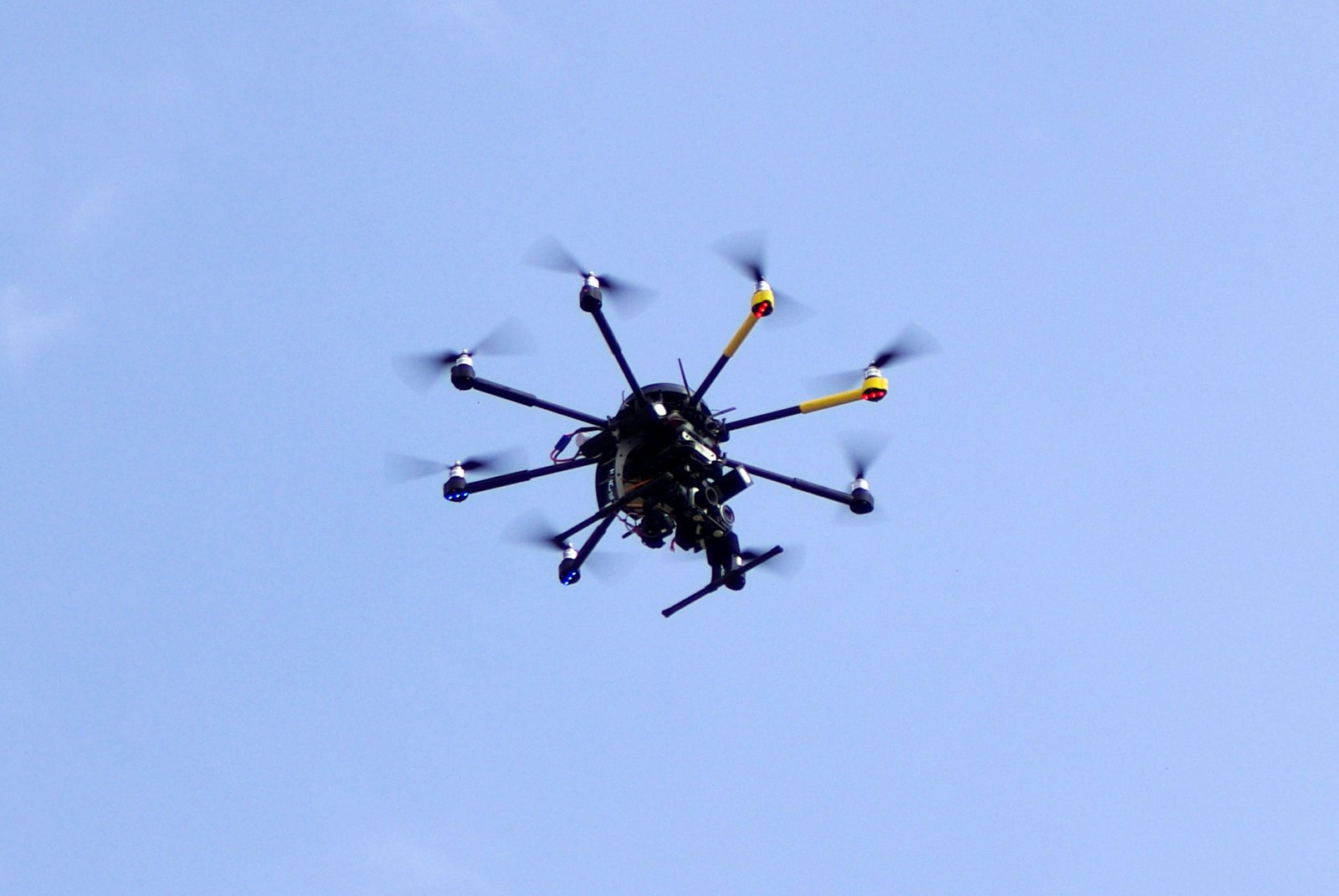
Adding an AI model to a drone can make a prototype look capable very quickly. The harder question is whether the system remains understandable and dependable when its environment changes—or when the model is uncertain.
NIST’s AI Risk Management Framework (AI RMF) is a voluntary framework for managing risks across the design, development, deployment and use of AI systems. NIST organizes the work around four functions: Govern, Map, Measure and Manage. It is not a drone-specific certification, and following it does not by itself prove that a system is safe.
Map the context before tuning the model
Before selecting a metric, describe the intended use, users, operating conditions and consequences of a wrong output. A model used to label images for later review has a different risk profile from one that feeds a real-time control decision. Document assumptions about lighting, motion, sensor quality, connectivity and the people who will interpret an alert.
Then measure performance on representative data, including conditions that differ from the training set. Report error types and uncertainty, not just a single accuracy score. Ask what happens when inputs are missing, delayed or out of distribution. An engineering test plan should include a safe response to those conditions, with clear boundaries on what the model can command.
Keep responsibility with the system team
The framework’s Govern function encourages clear ownership, policies and accountability. For a drone project, that can mean recording who approves model updates, who reviews incidents and how operators are trained. Manage then becomes an ongoing task: monitor performance, investigate unexpected behavior and revisit the risk assessment when sensors, software or mission context change.
NIST says the AI RMF is intended for voluntary use and is being revised; its site also describes a concept note for a critical-infrastructure profile. Teams should check the current NIST resources rather than treating an older checklist as permanent. The central lesson is simple: responsible autonomy needs an evidence trail, not a clever demo.
Sources
Featured image: David Perez, “UAV de Smart Drone España 01,” CC BY-SA 3.0, via Wikimedia Commons. The photo is illustrative and does not represent an AI-enabled aircraft. Image may be cropped for display. Source.

Leave a Reply