Choosing an RTOS release is a product-lifecycle decision. A fast-moving project may benefit from newer APIs and features, while a long-lived device may need a support window that fits years of field maintenance.
Zephyr’s release table distinguishes its latest stable release from its Long Term Support line. As of the project’s current release page, Zephyr 4.4.0 is listed as latest stable, while Zephyr 3.7.0 is the LTS release with a published end-of-life date of July 27, 2029. The project notes that stable releases are maintained for a shorter period than LTS, and that LTS branches are maintained independently.
What LTS buys—and what it does not
An LTS branch can make planning easier when a device must remain supportable after launch. It provides a longer maintenance horizon, but it does not remove the need to review security advisories, maintain the toolchain, validate board support or plan product-specific fixes. Nor does “LTS” mean every vendor board or third-party module has the same lifecycle.
Latest stable can be the right choice when a project needs new functionality and has the engineering capacity to track releases. The trade-off is a more frequent upgrade and regression-testing cadence. Teams should budget that work before selecting a branch, rather than treating an upgrade as a one-time build-system chore.
A simple decision framework
- Write down the product’s expected support lifetime and field-update policy.
- Check the official Zephyr support table for the exact branch’s current status and EOL date.
- Confirm that your board, vendor SDK, modules and toolchain support the same branch.
- Estimate the cost of migrating drivers, Devicetree files, Kconfig and test suites.
- Define who monitors security advisories and schedules maintenance releases.
Finally, pin the release and its dependencies in the project’s manifest so builds are repeatable. A support choice is only useful if the team can reproduce the firmware and maintain it over time.
Zephyr’s published release table can change as new releases arrive. Recheck the project’s current table when making a production decision.
Sources
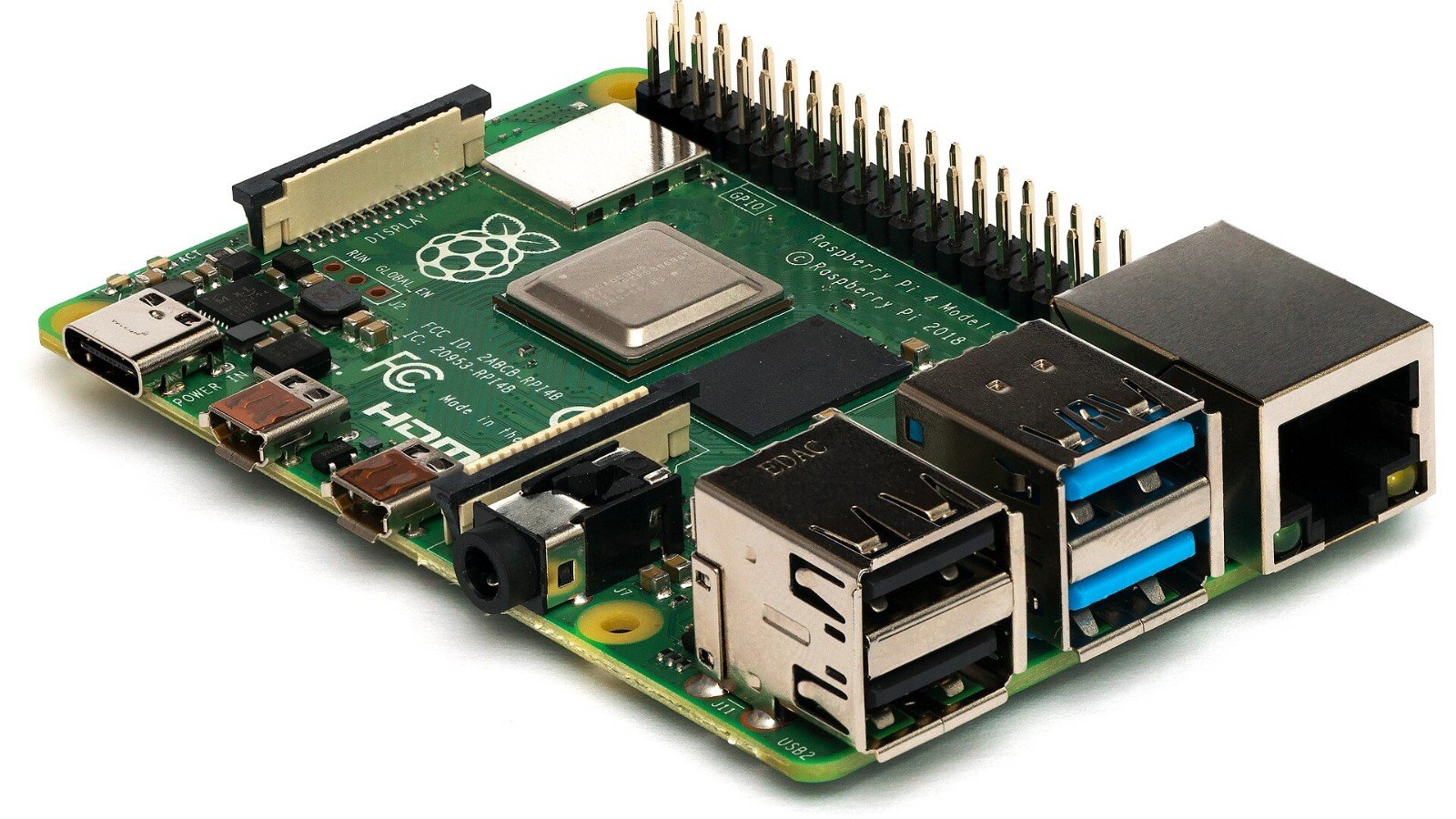
Featured image credit: Illustrative Raspberry Pi 4 image by Laserlicht via Wikimedia Commons, CC BY-SA 4.0. Cropped to 16:9. Source.

Leave a Reply