
Rust support in the Linux kernel is an increasingly visible part of kernel development, but the practical message for embedded engineers is more measured than “rewrite your driver.” Kernel Rust has a documented toolchain and build path; it coexists with a large body of C code and is not a universal replacement for existing interfaces.
The kernel’s Rust documentation points developers to a Quick Start guide, coding guidelines, architecture support information and testing guidance. The Quick Start notes that kernel Rust development depends on a compatible Rust toolchain and LLVM/Clang setup; distro packages may work when they match the project’s requirements.
What to verify before writing code
First check whether the kernel configuration and target architecture support the Rust features you need. Then verify the exact compiler, Rust components and bindgen requirements documented for the kernel version you are building. A system Rust compiler that works for user-space applications is not automatically the correct toolchain for a kernel tree.
Next, read the kernel’s Rust coding and testing documentation. The kernel has its own APIs and constraints; learning general Rust syntax is only one step. A small in-tree example or existing Rust-supported subsystem is a better starting point than designing a product around a hypothetical abstraction.
How embedded teams can evaluate it
- Pin the kernel revision and toolchain used for the experiment.
- Confirm support for the target architecture and configuration.
- Build a minimal Rust-enabled kernel before porting product code.
- Compare the required maintenance and integration effort with the existing C path.
- Keep the experiment narrow and review upstream kernel guidance as it evolves.
For device makers, the decision should be based on supported kernel APIs, staff expertise, upstream maintenance and the product’s lifecycle—not on a language debate in isolation. Rust can provide useful safety properties, but it does not remove the need for careful review, testing or correct hardware integration.
The kernel’s own documentation is the place to check current prerequisites. Treat Rust as an additional kernel development option with specific requirements, not as a drop-in language switch.
Sources
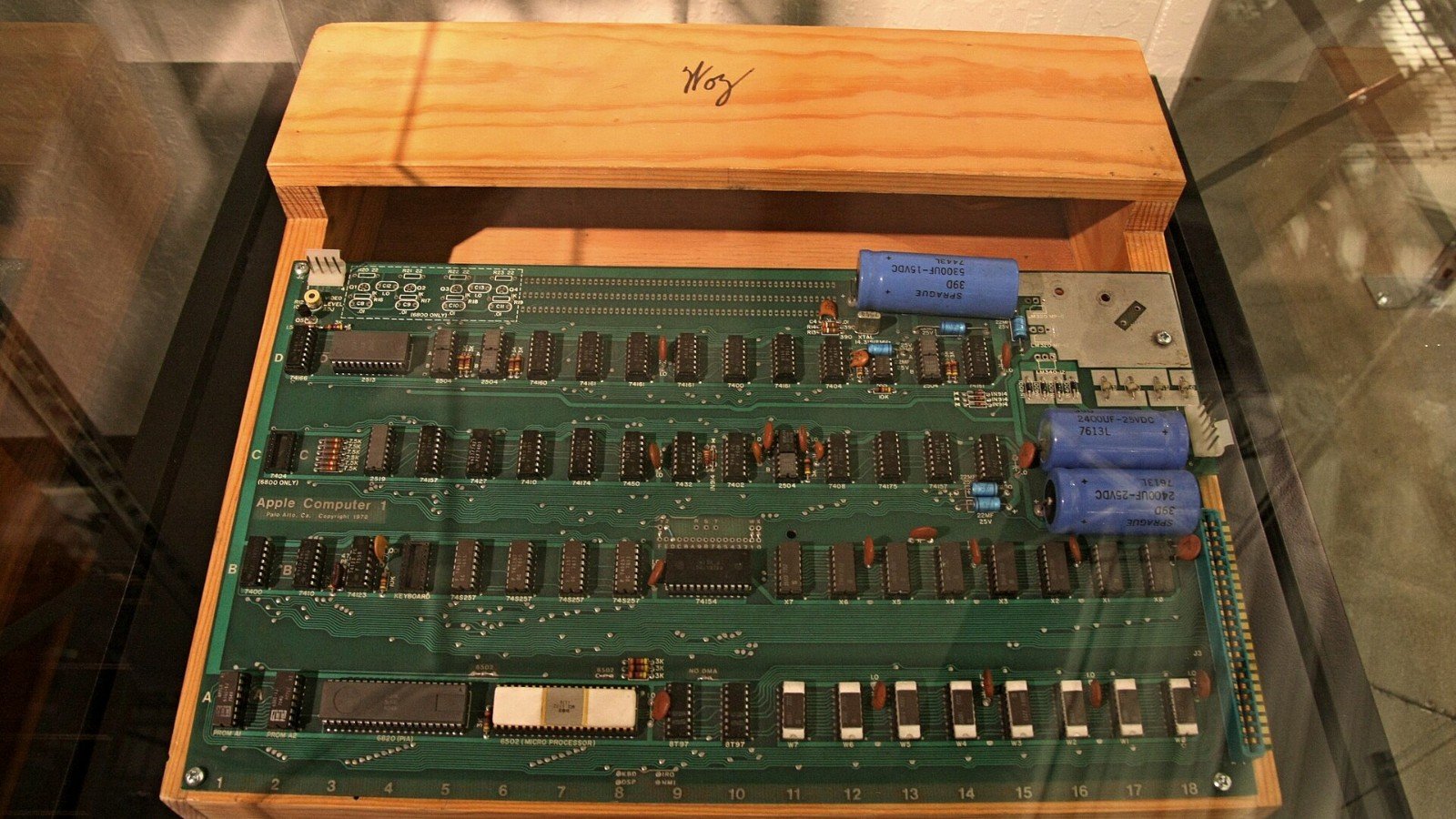
Featured image credit: Illustrative historic Apple I computer photo by Kazuhisa OTSUBO via Wikimedia Commons, CC BY 2.0. Cropped to 16:9. Source.

Leave a Reply