
A Raspberry Pi that fit a project budget last month may now cost more. On October 1, 2026, Raspberry Pi raised the published US price of both 2GB Raspberry Pi 4 and 2GB Raspberry Pi 5 by $12.50. The bigger question for makers is not simply which board is cheaper—it is whether the project actually needs that memory, and what the full build will cost.
Quick answer: The new published prices are $67.50 for the 2GB Pi 4 and $77.50 for the 2GB Pi 5. Raspberry Pi says the 1GB Pi 4 and Pi 5 and the 2GB Compute Module 4 and 5 are unchanged in this October announcement. These are manufacturer-published US prices; local reseller prices, tax, availability and shipping vary. For a new build, right-size RAM using measurements from your actual workload before choosing a lower-memory board.
What changed on October 1?
| Board variant | Published US price after the change | October change |
|---|---|---|
| Raspberry Pi 4, 2GB | $67.50 | +$12.50 |
| Raspberry Pi 5, 2GB | $77.50 | +$12.50 |
| Raspberry Pi 4, 1GB | Unchanged in this announcement | No change |
| Raspberry Pi 5, 1GB | Unchanged in this announcement | No change |
| Compute Module 4 and 5, 2GB | Unchanged in this announcement | No change |
Raspberry Pi attributed the increase to rising memory costs and said it had previously held the 2GB board prices while raising prices on higher-memory products. The company also said these market conditions may ease in the future and that it hopes to reverse increases when they do. That is the manufacturer’s stated expectation, not a date or guarantee shoppers can plan around.
The practical lesson: price RAM against your workload
More RAM is not automatically better value, but a 1GB model is not a universal replacement for a 2GB one either. A headless sensor gateway with a small service set has different needs from a desktop, browser-based dashboard, camera pipeline, container stack or local AI workload. The right choice depends on the operating system, services, libraries, data buffers and peak load—not just the label on the board.
Before changing a bill of materials, test the real application on the target configuration. Measure memory during startup and the busiest expected workload, including camera or network bursts. On Raspberry Pi OS, free -h and cat /proc/meminfo give a quick view of available and used memory; /usr/bin/time -v your-command can report peak resident memory for a process. These are diagnostic starting points, not substitutes for testing the complete system over time.
- Include the OS, background services, logging, cache and peak application buffers in the test.
- Watch for out-of-memory events, slowdowns and sustained swapping; a board that boots can still fail under a realistic workload.
- Leave measured headroom for updates and foreseeable feature changes, but avoid paying for capacity the product cannot use.
- Repeat tests after changing board revision, software stack or peripherals; the board-only memory number is not the whole system budget.
When should a builder choose Pi 4, Pi 5 or a Compute Module?
Do not switch from Pi 5 to Pi 4 solely to save the $10 difference between the announced 2GB prices. Compare the performance and interfaces your design actually depends on, then price the complete build: board, storage, power supply, cooling, enclosure, carrier board and shipping. A cheaper board can make the finished product more expensive if it needs adapters or extra engineering work.
For an embedded product or classroom fleet, the price increase is also a prompt to recheck purchasing assumptions. Update quotations and per-unit BOMs, confirm the exact memory variant with your reseller, and retest any proposed substitute before ordering in volume. Compute Module products have different integration requirements; the fact that the 2GB CM4 and CM5 were unchanged in this particular notice does not mean every configuration or carrier costs the same.
If your project only needs basic I/O or a compact controller, compare an MCU or Pico-class design as well as another Linux SBC. They are not drop-in Raspberry Pi replacements: operating system, networking, storage, application code and development effort differ. The right comparison is total project cost and capability, not just the cheapest board number.
Buying advice for readers outside the US
The $67.50 and $77.50 figures are the published US prices in Raspberry Pi’s announcement. They do not tell you the checkout total in India, Europe or elsewhere. Taxes, currency conversion, reseller pricing and stock can change the local price. Check an authorised Raspberry Pi reseller in your region, compare the exact memory variant and included accessories, and be cautious of listings with unusually high markups or unclear product descriptions.
Bottom line: The October increase is real, but it does not automatically mean you should buy immediately, pay for more RAM, or abandon an existing design. Measure the workload, compare the complete system cost and validate any hardware change before committing.
Useful next reads
If you are setting up a new board, see our Raspberry Pi Imager guide. For a camera-and-sensor project, our Raspberry Pi object-detection project is a practical starting point.
Sources and update note
We checked the manufacturer announcements on October 23, 2026. Prices and availability can change; check the current local listing before purchasing.
- Raspberry Pi: Price increases for 2GB Raspberry Pi 4 and Raspberry Pi 5 (October 1, 2026)
- Raspberry Pi: A new 3GB Raspberry Pi 4 and further memory-driven price changes (April 2026)
- Raspberry Pi: 1GB Raspberry Pi 5 and memory-driven price changes
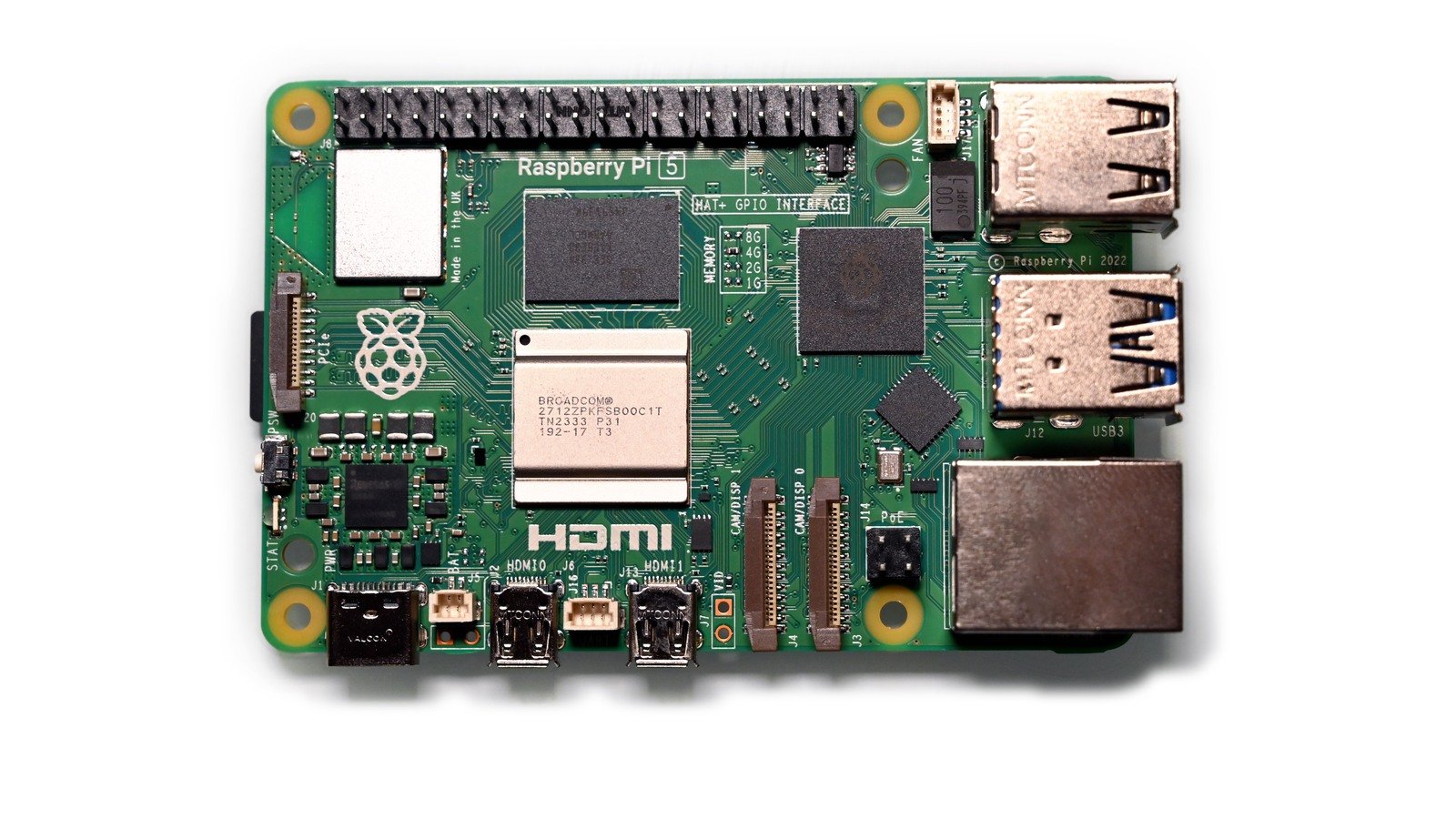
Featured image: Photo of a Raspberry Pi 5, “Raspberry Pi 5” by Simon Waldherr, via Wikimedia Commons, licensed under CC BY 4.0. Resized to a 1600 × 900 canvas with white padding. The photograph is illustrative and does not identify a specific 2GB retail variant.

Leave a Reply