
A drone advertised for 36 minutes may give you much less time to film. DJI’s own typical-flight test for the Lito X1 lists 23 minutes, compared with its 36-minute maximum under controlled conditions. That gap is one reason a first-time buyer should compare more than a headline battery number.
Quick answer: Pick the DJI Neo 2 for short selfie-style clips and the simplest launch routine, the DJI Lito X1 for the stronger camera-and-sensing mix on paper, or the DJI Flip if full propeller guards and a three-axis mechanical gimbal are your priorities. This is a specification-based comparison, not a hands-on review. We checked the manufacturers’ published specifications on October 23, 2026.
The useful comparison: sensor, weight and advertised flight time
| Drone | Best fit | Published weight | Camera sensor | Maximum flight time |
|---|---|---|---|---|
| DJI Neo 2 | Close-up selfie clips | 151 g without digital transceiver; 160 g with it | 1/2-inch | About 19 min (about 17 with guards) |
| DJI Lito X1 | All-round camera use | About 249 g standard takeoff weight | 1/1.3-inch | 36 min; DJI’s typical-flight test lists 23 min |
| DJI Flip | Travel video with guards | Under 249 g | 1/1.3-inch | 31 min |
These numbers are not a complete camera-quality test: sensor size is only one factor, and flight-time methods differ between models. Weather, temperature, recording settings, battery choice and flying style affect real use. Treat maximum time as a comparison point, not the time you can safely plan to stay airborne.
1. DJI Neo 2: easiest for short, personal clips
The Neo 2 is the most direct fit if you want a small drone for quick selfie or follow-style footage. DJI lists palm takeoff and landing, subject tracking, full propeller guards, and a 1/2-inch sensor. Its listed weight is 151 g without the digital transceiver and 160 g with it.
The trade-off is endurance: DJI lists about 19 minutes maximum flight time, dropping to about 17 minutes with the guards installed. Choose it for portability and a low-friction start—not for the longest aerial sessions or the largest sensor in this comparison. Confirm the camera modes and included controller in the official Neo 2 specifications.
2. DJI Lito X1: the all-rounder on paper
The Lito X1 combines a 1/1.3-inch CMOS camera, 48 effective megapixels, and obstacle-sensing features including forward-facing LiDAR. DJI lists a standard takeoff weight of about 249 g. Those sensors can support awareness, but they do not detect every hazard or replace a careful pilot.
Here is the detail many quick roundups skip: DJI’s maximum flight-time figure is 36 minutes, while its published typical-flight test reports 23 minutes in a breezy scenario with 4K/60 recording. Neither number is a guarantee for your flight, but the second is a more useful reminder to allow for conditions and keep a return-and-landing reserve. The optional Plus battery weighs more than 249 g, so check the exact bundle and local rules. See the official Lito X1 specifications.
Best fit: a beginner who wants a more capable travel or landscape camera and is comfortable learning conventional drone controls. This is the most balanced choice in this shortlist based on published specifications—not a claim that we tested it in flight.
3. DJI Flip: a gimbal-and-guard choice for travel
The Flip stands out for full-coverage propeller guards and a three-axis mechanical gimbal, which can help keep footage steady as the aircraft moves. DJI lists a 1/1.3-inch sensor, a takeoff weight below 249 g, and up to 31 minutes of flight time in its controlled test.
Guards are not obstacle avoidance, and they do not make it safe to fly near people. As with the other models, the maximum battery figure is not a usable-filming-time promise. Compare the controller and battery included in your local bundle, and check the official DJI Flip specifications before buying.
Which one should you choose?
- Choose Neo 2 if compact selfie clips, palm launch and guarded propellers matter more than longer flight sessions.
- Choose Lito X1 if you want the broader camera-and-sensing feature set and understand that advertised maximum time differs from DJI’s typical test.
- Choose Flip if stabilized travel footage and full propeller guards are your deciding features.
Before paying, check the exact kit: controller, battery count, charging hub, spare propellers, local warranty and app/controller compatibility can vary by region. There is no universal “best” drone independent of budget, use and local availability, so compare current local prices rather than relying on an old deal roundup.
Buying it to learn drone programming? Read this first
These are consumer camera drones, not interchangeable ArduPilot or PX4 development kits. Do not assume a product supports the SDK, telemetry access or control workflow you need. If writing autopilot software is the main goal, start with a flight controller and simulator explicitly supported by your chosen stack, then confirm current model-level SDK compatibility before buying hardware. EmbeddedPrep’s drone programming setup guide starts with simulation; our ArduPilot setup guide covers safe bench checks.
Check local rules before your first flight
A drone under 250 g is not automatically exempt from every rule worldwide. Registration, training, airspace, privacy and restrictions around people depend on your location and how you fly; battery and accessory choices can also change takeoff weight. In the United States, recreational flyers must complete TRUST and follow applicable safety rules. In the EU, requirements depend on drone class and operation category. Review the current FAA recreational-flyer guidance or EASA open-category guidance, then check your national aviation authority. Keep the drone in visual line of sight, avoid restricted airspace, and never treat obstacle sensing as permission to take risks.
Sources and methodology
This guide compares the manufacturers’ published specifications and official safety guidance; EmbeddedPrep did not flight-test these models. Product features, bundle contents, rules and availability can change. We checked these pages on October 23, 2026:
- DJI Neo 2 specifications
- DJI Lito X1 specifications
- DJI Flip specifications
- FAA recreational flyer guidance
- EASA open-category guidance
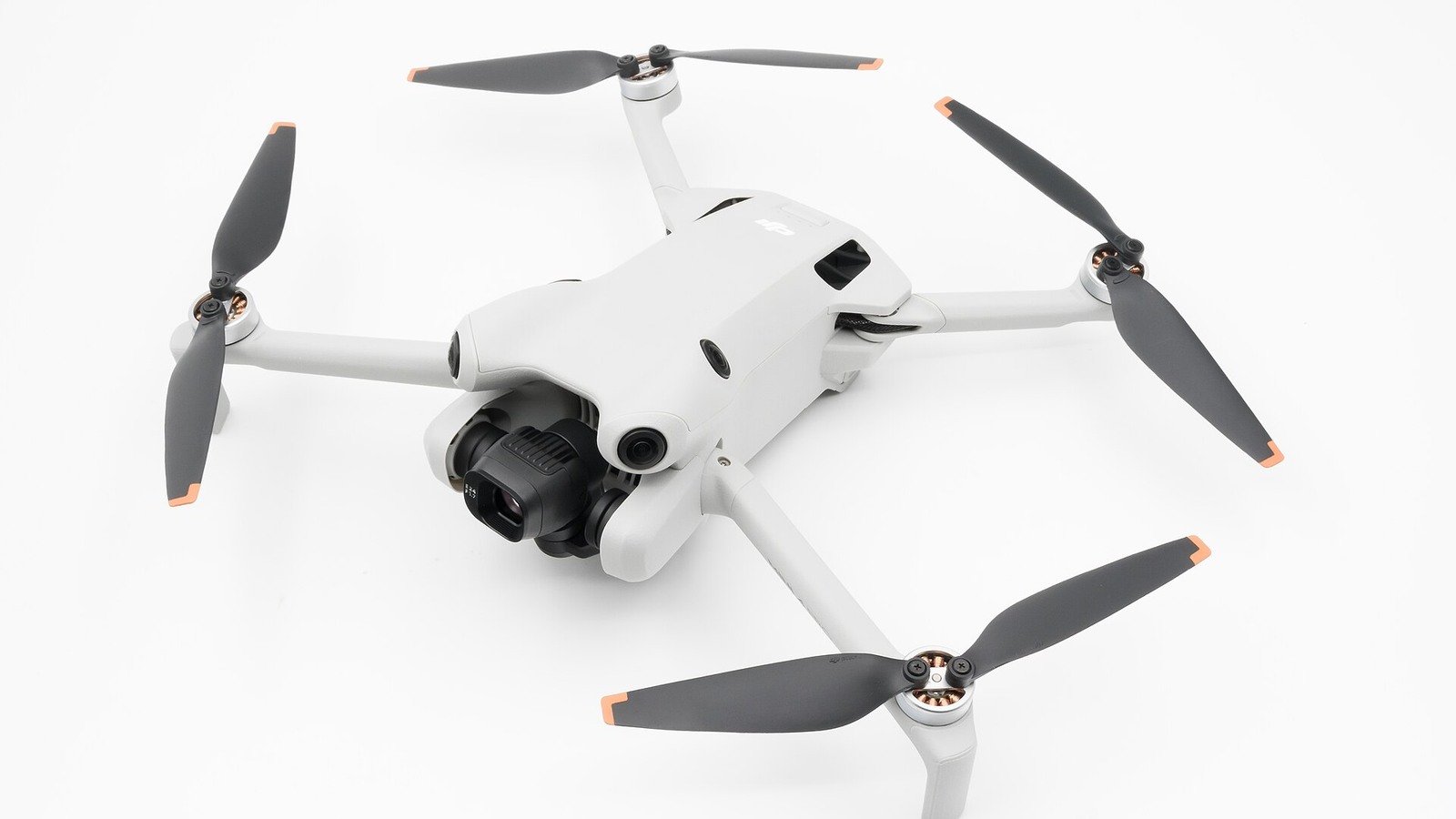
Featured image: DJI Mini 4 Pro (illustrative). Photo by Jacek Halicki, via Wikimedia Commons, licensed under CC BY-SA 4.0. Cropped to 16:9 and resized to 1600 × 900; this adapted image is also shared under CC BY-SA 4.0. This is not one of the three drone models compared in this article.

Leave a Reply