A quiet Raspberry Pi project is spreading across UK homes in 2026. From rising energy bills to everyday problem-solving, here’s why ordinary Britons suddenly care.
On my street in south London, the talk used to be about parking permits and parcel theft. This winter, it’s been something else entirely. Energy bills. Again. But mixed into those conversations is a surprising new phrase I didn’t expect to hear outside a makerspace: “a Pi setup”.
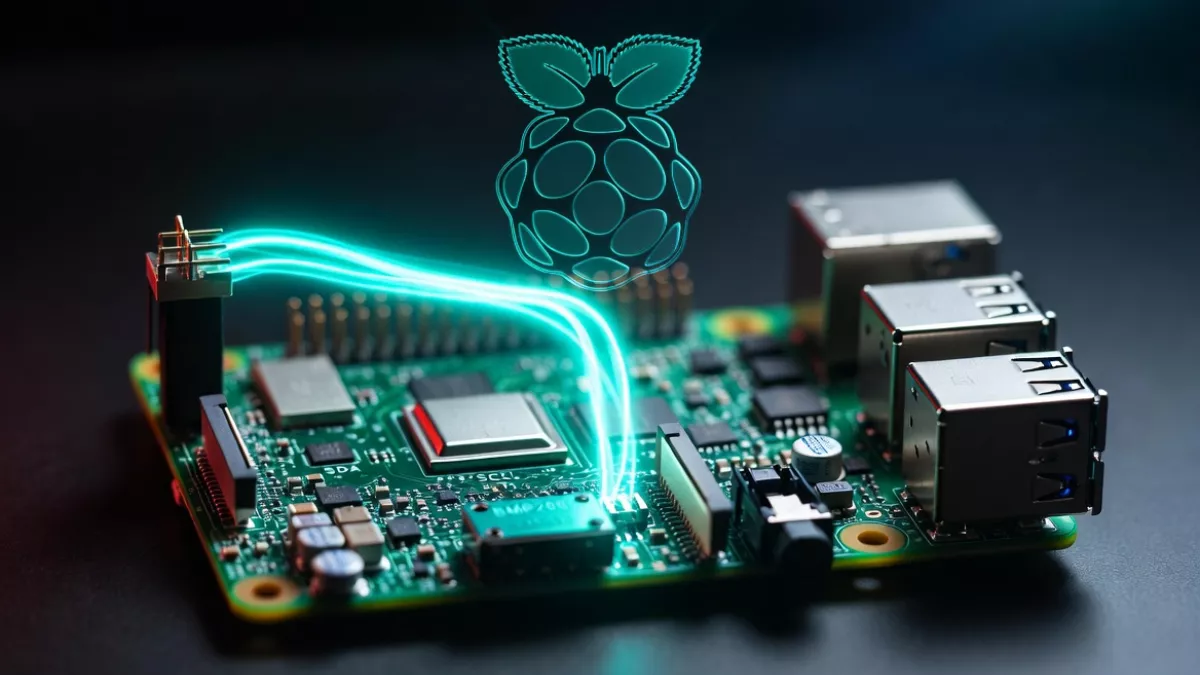
Not a dessert. A Raspberry Pi.
Somewhere between the kitchen table and the fuse box, a quiet project has been taking root across the UK. In 2026, it’s suddenly everywhere — in WhatsApp groups, school newsletters, community halls, and those late-night conversations people have when they’re trying to work out how to make the numbers add up.
This isn’t about coding for the sake of it. It’s about control.
And that’s why this Raspberry Pi project is exploding.
Also Read : This Tiny Raspberry Pi Could Replace Your PC – Here’s How ?
A familiar board, suddenly doing something that matters
I’ve been writing about Raspberry Pi since it was a £35 curiosity handed out in British classrooms. Back then, it was about learning Linux, blinking LEDs, maybe building a weather station that impressed your ICT teacher.
What’s happening now feels different.
In 2026, Raspberry Pi has slipped out of the hobby drawer and into the heart of the home. Not as a toy. Not as a teaching aid. But as a practical response to modern British life.
The project itself is simple to describe, even if the implications aren’t.
People are using Raspberry Pi as a home energy brain — quietly tracking usage, responding to time-of-day tariffs, managing when appliances run, and helping households make sense of what they’re actually paying for electricity.
No flashy screens. No hype.
Just a small board doing a job that suddenly feels essential.
Why 2026 is the tipping point
This didn’t come out of nowhere. It’s been building for years.
But 2026 is when the pieces finally lined up.
Energy pricing in the UK has become more complex, not less. Smart meters are common, but understanding them is another story. Solar panels are on more roofs, batteries are appearing in garages, and time-based tariffs are no longer niche.
People aren’t short on data. They’re short on clarity.
That’s where Raspberry Pi steps in.
Not as a replacement for utility systems, but as a translator. A way to take all that fragmented information and turn it into something people can act on.
I’ve spoken to parents who run washing machines at odd hours because a Pi tells them it’s cheaper. Retired engineers who enjoy finally having visibility into what their heat pump is doing. Renters who can’t install anything permanent but still want insight.
This is British problem-solving at its most familiar.
From school clubs to kitchen cupboards
One of the most interesting things about this project is where it’s spreading.
Not through glossy adverts or big launches. Through schools, community repair cafés, and word of mouth.
A teacher shows a student how their family’s energy use spikes at teatime. That student explains it to their parents. A neighbour asks how it works. A local Facebook group lights up.
I’ve seen Raspberry Pis mounted neatly inside meter cupboards, taped behind routers, tucked into cupboards under the stairs. Often forgotten about until someone notices the difference in their monthly bill.
This isn’t tech as a lifestyle statement. It’s tech as a quiet helper.
That’s why it resonates.
The return of the British tinkerer
There’s something deeply British about the way this project has taken off.
It’s not about chasing the newest gadget. It’s about making do. Improving what you already have. Understanding the system instead of feeling at its mercy.
For years, Raspberry Pi symbolised the DIY spirit of the UK. That spirit never went away — it just needed a reason to reappear.
Energy gave it one.
In 2026, people don’t want another app shouting notifications at them. They want something that sits in the background, dependable and understandable.
A Pi doesn’t judge. It doesn’t upsell. It just tells you what’s happening.
And that’s oddly comforting.
Ordinary households, not tech elites
What surprised me most while researching this story wasn’t the technology. It was the people.
This project isn’t being driven by Silicon Roundabout types or early adopters chasing novelty. It’s being embraced by:
- Families trying to stabilise monthly costs
- Pensioners curious about where their money is going
- Students sharing setups in shared houses
- Rural households juggling solar, batteries, and grid power
Many of them wouldn’t call themselves “techy”.
They just wanted answers.
Raspberry Pi happened to be the tool that gave them those answers without locking them into a corporate ecosystem.
Momentum without marketing
There’s no single company behind this movement. No brand pushing it into the spotlight.
That’s part of its strength.
The momentum feels organic. Messy. Human.
People share screenshots, scribbled diagrams, and stories rather than polished case studies. Success isn’t measured in followers but in moments like, “We didn’t realise the immersion heater was doing that.”
That kind of discovery sticks.
It creates curiosity. And curiosity spreads faster than instructions ever could.
A project shaped by British reality
What makes this Raspberry Pi project feel so right for the UK is how closely it aligns with everyday life here.
Small houses. Old wiring. New rules layered on top of old systems. A desire to be efficient without being extravagant.
The Pi doesn’t demand a perfect setup. It adapts.
It works in Victorian terraces and post-war semis. In new builds and draughty rentals. It respects the reality that British homes are rarely uniform.
That flexibility has turned it from a niche idea into a shared experience.
Not a revolution, but a quiet shift
This isn’t a story about disruption.
It’s about reassurance.
In a decade filled with noise, Raspberry Pi has re-emerged as something refreshingly modest. A reminder that technology doesn’t always have to be loud to be powerful.
Sometimes, it just has to sit there, blinking quietly, helping you understand your own home a little better.
The feeling that keeps it growing
As a journalist, I’ve learned to pay attention to feelings as much as facts.
The feeling around this project isn’t excitement. It’s relief.
Relief at finally seeing what’s going on. Relief at not being completely at the mercy of systems that feel distant and opaque.
That feeling is why, in 2026, this Raspberry Pi project isn’t slowing down.
It doesn’t promise the future.
It simply helps people cope with the present.
And in Britain right now, that’s more than enough.
FAQs of Raspberry Pi Project Is Exploding in the UK
1.What Raspberry Pi project is gaining attention in the UK in 2026?
A quiet home-based setup helping British households make sense of energy use.
2.Why are UK homes suddenly interested in this Raspberry Pi idea?
Because rising bills and complex tariffs pushed people to seek clarity.
3.Do you need technical skills to use this Raspberry Pi project?
No, many everyday users have little or no technical background.
4.Where is this Raspberry Pi project being used across the UK?
Mostly in ordinary homes, schools, and local community spaces.
5.Is this a short-lived trend in Britain?
It feels more like a practical shift than a passing craze.

Mr. Raj Kumar is a highly experienced Technical Content Engineer with 7 years of dedicated expertise in the intricate field of embedded systems. At Embedded Prep, Raj is at the forefront of creating and curating high-quality technical content designed to educate and empower aspiring and seasoned professionals in the embedded domain.
Throughout his career, Raj has honed a unique skill set that bridges the gap between deep technical understanding and effective communication. His work encompasses a wide range of educational materials, including in-depth tutorials, practical guides, course modules, and insightful articles focused on embedded hardware and software solutions. He possesses a strong grasp of embedded architectures, microcontrollers, real-time operating systems (RTOS), firmware development, and various communication protocols relevant to the embedded industry.
Raj is adept at collaborating closely with subject matter experts, engineers, and instructional designers to ensure the accuracy, completeness, and pedagogical effectiveness of the content. His meticulous attention to detail and commitment to clarity are instrumental in transforming complex embedded concepts into easily digestible and engaging learning experiences. At Embedded Prep, he plays a crucial role in building a robust knowledge base that helps learners master the complexities of embedded technologies.