How is QNX different from Linux or other RTOS . Learn about kernel design, real-time performance, safety certifications, and use cases.
When you first hear about QNX, you might think, “Isn’t it just another operating system like Linux or other RTOS (Real-Time Operating Systems)?” The truth is, QNX stands out in some very unique ways. If you are working in automotive, medical devices, or mission-critical embedded systems, understanding how QNX differs from Linux or other RTOS is super important. Let’s break it down in a simple, human way.
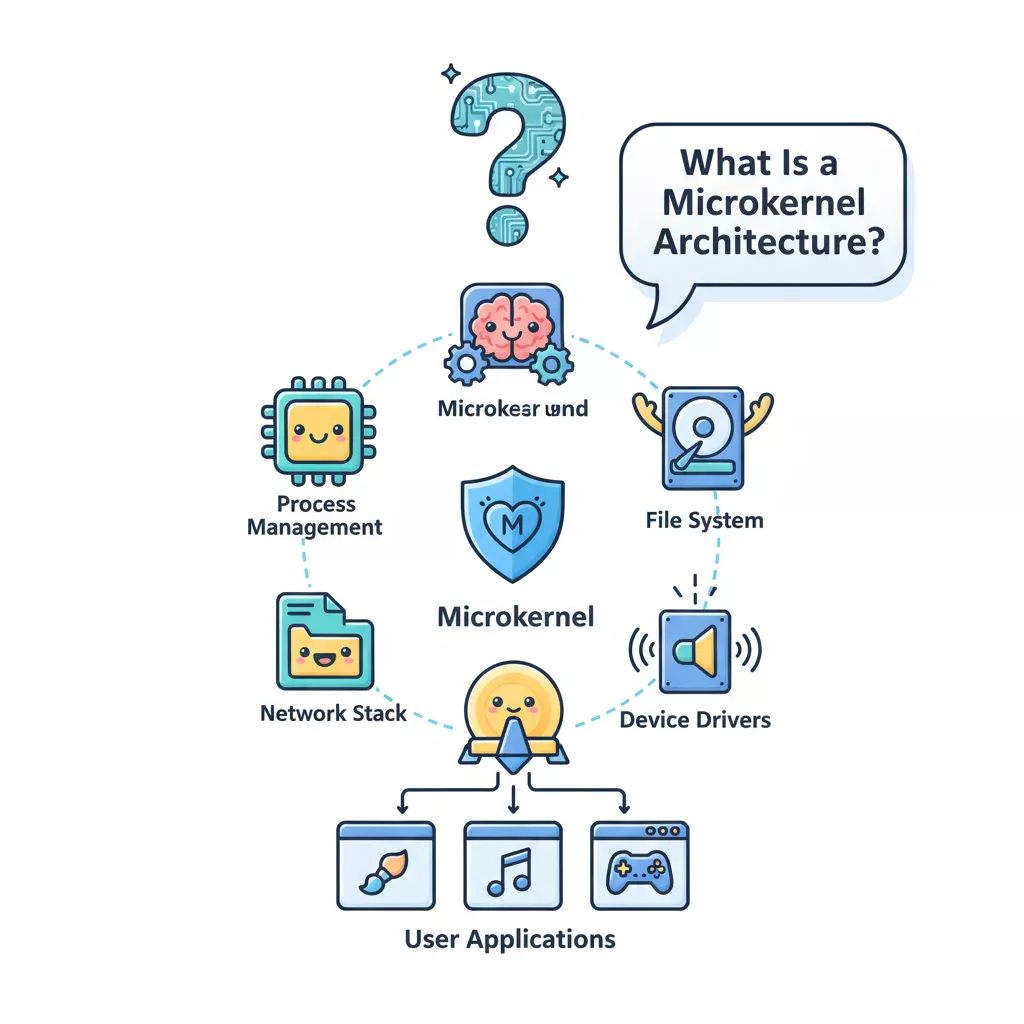
1. QNX is a Microkernel, Linux is a Monolithic Kernel
One of the biggest differences is in the kernel design.
- QNX uses a microkernel architecture, meaning only the most essential services (like scheduling, IPC, and interrupt handling) run in the kernel space. Everything else, such as device drivers, file systems, and networking, runs in user space.
- Linux, on the other hand, is monolithic. Almost everything runs in kernel space, which makes it powerful but harder to isolate faults.
Result? QNX offers better reliability and fault isolation. If a driver crashes in QNX, it won’t take down the entire system.
2. Real-Time Capabilities
- QNX is designed from the ground up as a true RTOS. It guarantees hard real-time performance, meaning tasks are executed within strict deadlines.
- Linux wasn’t originally designed for real-time, though there are Real-Time Linux patches (PREEMPT-RT) to improve it. Still, it doesn’t match QNX when ultra-low latency and predictability are required.
- Other RTOS like FreeRTOS or VxWorks also provide real-time features, but QNX’s microkernel plus POSIX compliance make it more robust for industrial use.
If you’re building a system where safety and timing are non-negotiable, QNX is the go-to choice.
3. Safety Certifications
- QNX shines in industries like automotive (ISO 26262), medical devices (IEC 62304), and aerospace (DO-178C) because it already comes with safety-certified versions.
- Linux and many other RTOS options are not safety-certified by default. Achieving certifications with Linux usually requires heavy customization and additional effort.
This makes QNX a favorite for companies that build autonomous vehicles, ventilators, or train control systems.
4. Resource Usage
- QNX is lightweight. The microkernel can run with minimal resources, making it ideal for embedded devices with limited memory and CPU power.
- Linux generally needs more resources, especially if you’re running a full Linux distribution.
- Other RTOS like FreeRTOS are even smaller than QNX, but they lack the rich features QNX provides (like a full POSIX environment).
With QNX, you get the best of both worlds: small footprint and powerful features.
5. Use Cases
- QNX is popular in cars (digital clusters, ADAS), medical devices, industrial automation, and aerospace.
- Linux powers servers, desktops, IoT devices, and smartphones (Android is based on Linux).
- Other RTOS like FreeRTOS or VxWorks are more common in small embedded devices without the complexity of QNX.
Quick Comparison Table
| Feature | QNX (Microkernel RTOS) | Linux (Monolithic OS) | Other RTOS (e.g., FreeRTOS, VxWorks) |
|---|---|---|---|
| Kernel Type | Microkernel | Monolithic | Varies |
| Real-Time Support | True hard real-time | Soft real-time (with patches) | Hard real-time |
| Safety Certifications | Built-in (ISO, IEC, DO) | Limited/Custom effort | Some available (e.g., VxWorks) |
| Resource Usage | Lightweight | Heavy | Very lightweight |
| Main Use Cases | Automotive, medical, aerospace | Servers, IoT, smartphones | Small embedded devices |
Final Thoughts
So, how is QNX different from Linux or other RTOS? In simple words:
- QNX is like the safety-first, highly reliable pilot designed for real-time missions.
- Linux is the all-rounder athlete, powerful and flexible but not always punctual.
- Other RTOS are the minimalist specialists, great for simple, resource-limited systems.
FAQ: How is QNX Different from Linux or Other RTOS?
Q1. What makes QNX different from Linux?
QNX uses a microkernel architecture, offering better fault isolation and real-time guarantees, while Linux is a monolithic kernel designed for general-purpose computing.
Q2. Is QNX faster than Linux for real-time tasks?
Yes. QNX provides hard real-time performance, ensuring tasks run within strict deadlines. Linux, even with real-time patches, is usually better for soft real-time applications.
Q3. Why is QNX popular in automotive systems?
QNX is ISO 26262 safety-certified and reliable for digital clusters, ADAS, and infotainment systems, making it a trusted OS in the automotive industry.
Q4. How does QNX compare to FreeRTOS or VxWorks?
QNX offers a full POSIX environment, strong fault tolerance, and safety certifications. FreeRTOS is lightweight but limited, while VxWorks is powerful but less modular than QNX’s microkernel design.
Q5. Can Linux replace QNX in safety-critical projects?
Not easily. Linux requires significant customization to achieve safety certifications, while QNX comes pre-certified for industries like automotive, medical, and aerospace.
Q6. Is QNX open source like Linux?
No. QNX is a commercial RTOS from BlackBerry, while Linux is open-source. QNX provides evaluation versions and strong commercial support for critical systems.
Q7. Which is better: QNX or Linux?
It depends on your project.

Mr. Raj Kumar is a highly experienced Technical Content Engineer with 7 years of dedicated expertise in the intricate field of embedded systems. At Embedded Prep, Raj is at the forefront of creating and curating high-quality technical content designed to educate and empower aspiring and seasoned professionals in the embedded domain.
Throughout his career, Raj has honed a unique skill set that bridges the gap between deep technical understanding and effective communication. His work encompasses a wide range of educational materials, including in-depth tutorials, practical guides, course modules, and insightful articles focused on embedded hardware and software solutions. He possesses a strong grasp of embedded architectures, microcontrollers, real-time operating systems (RTOS), firmware development, and various communication protocols relevant to the embedded industry.
Raj is adept at collaborating closely with subject matter experts, engineers, and instructional designers to ensure the accuracy, completeness, and pedagogical effectiveness of the content. His meticulous attention to detail and commitment to clarity are instrumental in transforming complex embedded concepts into easily digestible and engaging learning experiences. At Embedded Prep, he plays a crucial role in building a robust knowledge base that helps learners master the complexities of embedded technologies.