
A sub-250-gram drone can be easier to carry, but the number on the box is not a universal “fly anywhere” pass. Registration and operating requirements depend on where you fly, whether the flight is recreational and what the aircraft is doing.
What the threshold means in the U.S.
The FAA says a drone weighing 0.55 pounds (250 grams) or less does not need registration when flown under the limited recreational exception. That exception is narrow: other operations, including Part 107 work, have separate rules. Recreational flyers still need to pass TRUST, follow airspace limits and fly within visual line of sight. Remote ID may apply to aircraft that are registered or required to be registered.
Europe uses a broader framework
EASA’s open category is divided into A1, A2 and A3 subcategories, each with conditions. The category, aircraft class label, operation and pilot requirements all matter. Operator registration may also be required depending on the drone and operation. A weight alone does not tell you which rules apply.
These examples are not a complete comparison of national law. Countries outside the U.S. and EU have their own requirements, and parks, airports or temporary notices can impose additional limits. Check the current aviation-authority rules for your exact location and intended use before flying.
Bottom line: use weight as one input, not a legal conclusion. Confirm operation category, registration, training, airspace, Remote ID where applicable and local land rules before launch.
Official sources
FAA: How to register your drone
EASA: Open category for low-risk drone operations
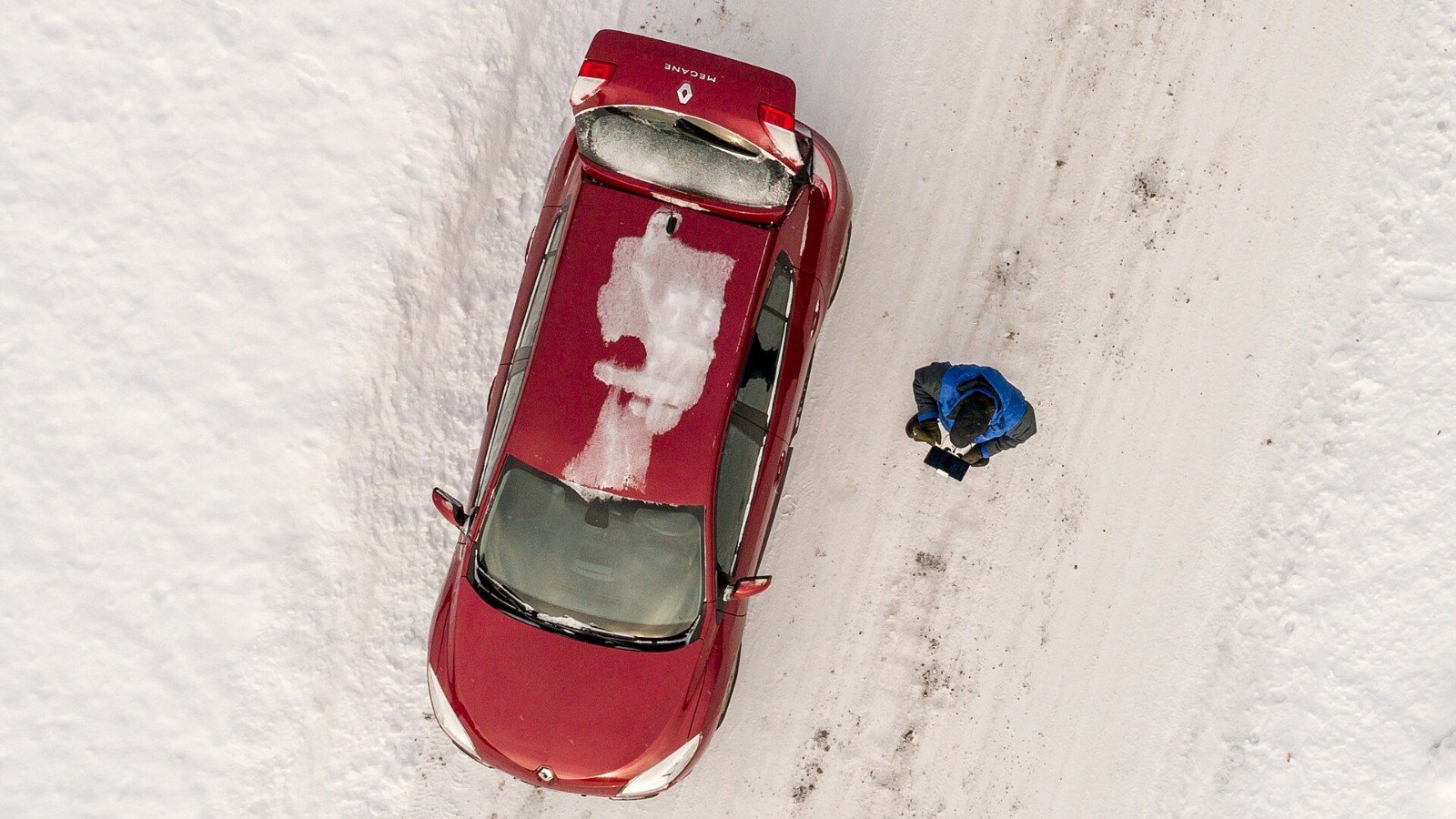
Featured image: Arto häkkilä via Wikimedia Commons, CC BY-SA 4.0. Image source and license.
Leave a Reply