
If your IoT device struggles on a crowded 2.4GHz network, the ESP32-C5 has an unusual feature for this family: dual-band Wi-Fi 6, including both 2.4GHz and 5GHz. But the extra band does not automatically mean better range, lower power or faster real-world data in every room.
Espressif lists the ESP32-C5 as a single-core RISC-V MCU running up to 240MHz, with 2.4GHz and 5GHz Wi-Fi 6, Bluetooth LE and 802.15.4 connectivity for protocols such as Thread and Zigbee. The chip has been in mass production since May 2025; development boards and module implementations have since broadened the ways makers can evaluate it.
When 5GHz can help
Wi-Fi at 5GHz can avoid some interference and congestion in a busy 2.4GHz environment. It can be a useful choice for a powered device close to an access point that moves images, updates or other larger payloads. Wi-Fi 6 features such as OFDMA and Target Wake Time can also be useful in supported network and device configurations.
Those capabilities are not a promise that every router will schedule every IoT endpoint more efficiently. Device, access point, firmware and traffic pattern all matter. An 802.11ax label alone does not guarantee a measurable improvement for a simple sensor sending a few bytes.
The trade-off: 5GHz is not a range upgrade
Higher-frequency 5GHz signals generally lose strength more quickly through distance and obstacles than 2.4GHz signals. A sensor at the edge of a home may stay connected more reliably on 2.4GHz, even if that band is more crowded. A tiny antenna, enclosure, board layout and installation location can matter as much as the chip name.
Also check region-specific radio rules and the exact module’s antenna design. A chip’s capabilities do not override a finished product’s certification, antenna restrictions or local regulations.
ESP32-C5 versus ESP32-C6: the simple difference
The key networking distinction is that C5 adds 5GHz Wi-Fi; C6 is a 2.4GHz Wi-Fi 6 platform with 802.15.4 and Bluetooth LE. Both can be relevant to connected-device designs, so choose by actual radio environment and ecosystem requirements—not by assuming the larger model number is always the right buy.
For a Matter-over-Thread endpoint, compare the board’s supported stack, antenna, power design and certification path. For a Wi-Fi camera or image uploader, check throughput and memory requirements. For a tiny battery sensor, measure energy per full wake-and-send cycle before prioritising peak Wi-Fi capability.
Before you switch boards
- Map the real install location and test signal strength through the actual walls and enclosure.
- Measure packet loss and reconnect behaviour on both bands with the intended router.
- Compare application-level latency and energy per message, not a headline PHY rate.
- Confirm ESP-IDF, module, antenna and certification support for your production design.
Bottom line: ESP32-C5 is a meaningful option when 5GHz compatibility solves a demonstrated network constraint. It will not cure poor antenna placement, weak router coverage or a device that needs a low-power protocol instead of Wi-Fi.
Sources: Espressif ESP32-C5 specifications; Espressif mass-production announcement; ESP-IDF Wi-Fi driver guide.
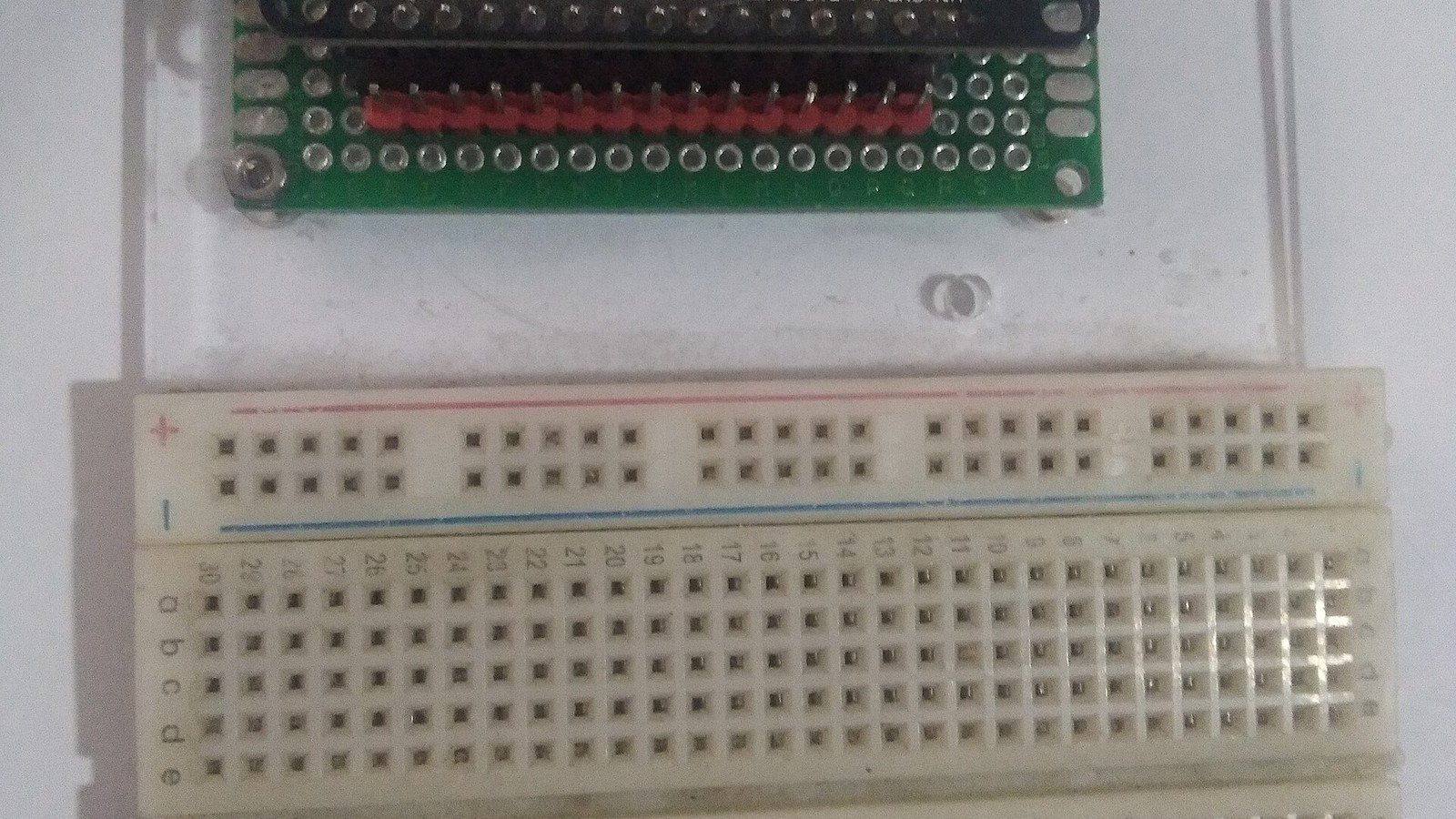
Featured photo: Illustrative ESP32 development board by Edwiyanto; this is not an ESP32-C5 board. Photo via Wikimedia Commons, licensed under CC BY-SA 4.0. The image was cropped and resized for this article.

Leave a Reply