
Tata’s Avinya EV marks a major shift toward premium electric mobility in India, blending futuristic design, advanced technology, and a new ownership experience.
Tata Motors has spent the last few years quietly winning India’s electric car race. From the Nexon EV to the Punch EV, the brand made electric mobility feel normal, usable, and affordable. Now, Tata is preparing for something very different.
It’s called Avinya – and it represents Tata’s most premium electric vision so far.
This isn’t just another EV launch. Avinya is Tata stepping into a higher league, where design, technology, and experience matter as much as price and range.
Also Read : This Tiny Raspberry Pi Could Replace Your PC – Here’s How ?
Why Avinya Is a Big Shift for Tata
Until now, Tata EVs have focused on scale and accessibility. Avinya flips that approach. Instead of adapting existing platforms, Tata has developed a born-electric architecture specifically for future-ready, premium vehicles.
Avinya will not sit alongside Nexon or Tiago. It’s being shaped as a separate identity, aimed at buyers who want a refined, modern electric car without stepping into ultra-luxury pricing.
In simple terms: this is Tata’s attempt to redefine what a premium Indian EV can feel like.
A New Design Language
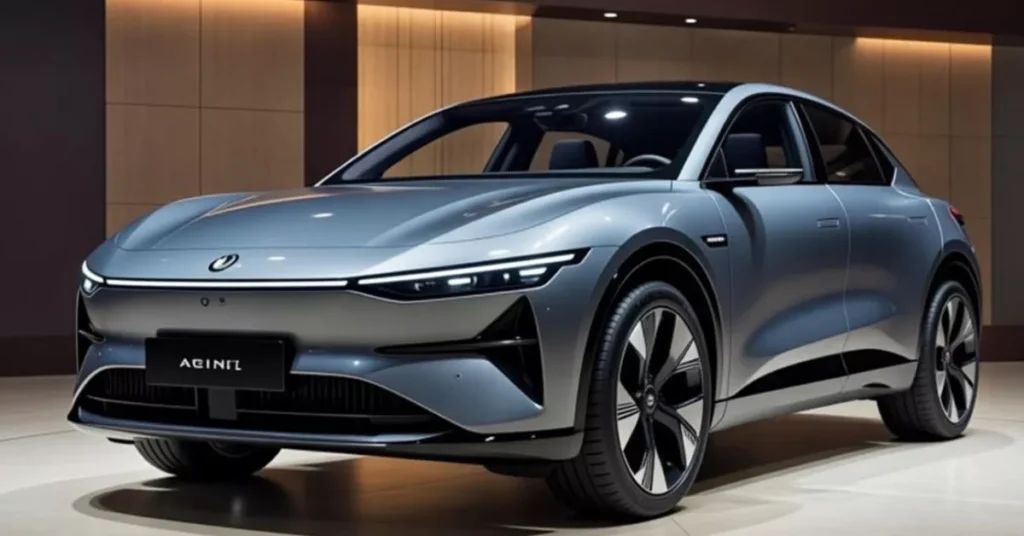
From early previews, Avinya looks unlike anything Tata sells today.
The design leans towards minimalism rather than aggression. Clean surfaces, futuristic lighting, and smooth proportions suggest a car built for comfort and calm driving rather than visual drama. Inside, the focus is expected to be on space, light, and sustainability — with fewer buttons, smarter screens, and lounge-like seating.
This is the kind of interior you sit in, not just drive.
Built on a True EV Platform
Avinya is based on Tata’s next-generation electric platform, designed from the ground up for EVs. That brings several advantages:
- Flat floor and better cabin space
- Faster charging capability
- Improved battery efficiency
- Advanced software and connected features
This platform also allows Tata to scale Avinya into multiple body styles, meaning this is not a single car — it’s a future lineup.
Range, Performance and Technology
While official numbers are still under wraps, Avinya is expected to offer a real-world usable range close to 500 km, placing it firmly in the premium EV category.
Expect features like:
- Fast-charging support
- Advanced driver assistance systems
- Over-the-air updates
- Smart energy management
This is Tata moving from “electric mobility” to “electric intelligence.”
A Different Ownership Experience
One of the most interesting parts of the Avinya strategy is how Tata plans to sell and support it.
Avinya will likely come with a distinct buying and ownership experience, blending digital interaction with physical showrooms. The idea is to make ownership feel special — not complicated, not noisy, but seamless.
This matters because premium EV buyers don’t just buy a car. They buy an experience.
Where Avinya Will Sit in the Market
Avinya is expected to sit above Tata’s current EV range, with pricing likely starting well into the premium bracket. This puts it in the same conversation as international electric crossovers and lifestyle EVs.
It’s not meant to chase volumes. It’s meant to change perception.
When Is Avinya Coming?
Tata has confirmed that the Avinya series will begin arriving around 2026, as part of a broader EV expansion plan. More models, more technology, and a stronger push into future-ready mobility are all lined up.
Final Thought
Avinya is not about replacing Tata’s existing EVs. It’s about showing what comes next.
If Tata gets this right, Avinya could mark the moment when Indian electric cars stop being judged by price alone — and start being judged by how they make people feel.
And that’s where real premium begins.
FAQs : Avinya EV Series
1.What is the Tata Avinya EV Series?
Avinya is Tata Motors’ upcoming premium electric vehicle lineup, designed on a next-generation EV platform with a focus on comfort, technology, and a modern ownership experience.
2.Is Avinya a separate brand from Tata Motors?
Avinya is positioned as a distinct premium identity under Tata Motors, with its own design philosophy and customer experience, different from existing Tata EVs.
3.When will Tata Avinya launch in India?
The Avinya EV series is expected to begin launching around 2026 as part of Tata’s next phase of electric expansion.
4.Will Avinya be more expensive than Nexon EV or Punch EV?
Yes. Avinya is expected to sit significantly above Tata’s current EV lineup, targeting buyers looking for a premium electric experience.
5.What kind of range can Avinya offer?
Early expectations suggest a real-world driving range close to 500 km, making it suitable for both daily use and longer journeys.
6.What makes Avinya different from current Tata EVs?
Avinya is built on a born-electric platform, offering better space, faster charging, advanced software, and a more refined driving feel.
7.Will Avinya include advanced safety and driver assistance features?
Yes. Avinya is expected to offer modern driver assistance systems along with connected and software-driven safety features.
8.What type of design will Avinya follow?
Avinya focuses on clean, futuristic styling with minimal design elements and a calm, premium interior layout.
9.Will there be multiple Avinya models?
Yes. Avinya is planned as a series, not a single car, with multiple body styles expected over time.
10.Who is Avinya meant for?
Avinya is aimed at buyers who want a premium electric vehicle that combines comfort, technology, and thoughtful design without entering ultra-luxury pricing.
Leave a Reply