Blog

  • Why Raspberry Pi Is Becoming the UK’s Secret Weapon Against Rising Energy Bills

    Raspberry Pi UK energy bills solutions: discover how this low-power device helps households cut costs, save electricity, and control smart home devices.

    For millions of households across the UK, the energy crisis is no longer just a headline it’s a monthly shock that arrives with the electricity bill. Even as prices fluctuate, the sense of uncertainty remains. People are quietly rethinking how much power they consume, what they leave running all day, and whether there’s a smarter way to live with less strain on the wallet.

    And in the middle of this very real, very human problem, an unlikely hero is gaining ground: the Raspberry Pi.

    Not as a flashy gadget. Not as a tech trend.
    But as a practical, low-power solution that more Britons are turning to often without much noise.

    The Energy Reality Britain Is Living With

    Over the last few years, UK households have learned a hard lesson: energy is no longer cheap, predictable, or something we can ignore. Laptops left on overnight, old desktop PCs humming away in spare rooms, and always-on devices quietly draining power — it all adds up.

    For families, students, and even small businesses, the question has shifted from “What’s the fastest device?” to “What actually needs to be running?”

    That’s where the Raspberry Pi enters the conversation.

    Also Read : This Tiny Raspberry Pi Could Replace Your PC – Here’s How ?

    Why Raspberry Pi Suddenly Makes Sense

    At its heart, the Raspberry Pi is a tiny computer designed to do more with far less power. While a traditional desktop PC might consume anywhere from 100 to 300 watts, a Raspberry Pi typically runs on just a few watts — sometimes less than a household LED bulb.

    That difference isn’t theoretical. Over a year, it can translate into real savings.

    People across the UK are quietly replacing energy-hungry systems with Raspberry Pi setups for everyday tasks:

    • Home servers
    • Media centres
    • File backups
    • Smart home hubs
    • Energy monitoring systems

    The appeal isn’t novelty — it’s efficiency.

    From Classrooms to Living Rooms

    Originally built to teach children programming, Raspberry Pi has grown up alongside its users. Many of those students are now adults dealing with rent, mortgages, and utility bills.

    Today, the Pi is showing up in places it was never marketed for:

    • Sitting behind TVs instead of power-hungry media boxes
    • Managing solar data and smart meters
    • Running lightweight office tasks for small businesses
    • Acting as always-on systems that don’t punish you for leaving them on

    For people watching every unit of electricity, this matters.

    Low Power, High Control

    There’s also a psychological shift happening.

    Using a Raspberry Pi gives people control — over what runs, when it runs, and how much energy it uses. Unlike closed systems, a Pi doesn’t force background processes, updates, or unnecessary power draw.

    You decide.

    In an era where many feel powerless against rising costs, that sense of control is quietly powerful.

    Not Just About Saving Money

    While lower energy consumption is the headline benefit, there’s a deeper reason the Raspberry Pi resonates right now.

    It aligns with a broader change in mindset:

    • Using only what you need
    • Reducing waste
    • Making technology work for you, not against you

    For environmentally conscious households, the low energy footprint is just as important as the lower bill.

    A Quiet Shift, Not a Loud Revolution

    The Raspberry Pi isn’t being advertised as an “energy-saving weapon.” There are no glossy campaigns promising miracles.

    Instead, its adoption is spreading through word of mouth, online communities, and quiet experimentation. One household replaces a desktop. Another sets up a Pi-based monitoring system. A student runs an entire workflow on a device smaller than a paperback book.

    Individually, these choices seem small. Collectively, they tell a different story.

    What This Means Going Forward

    As energy prices remain uncertain, technologies that combine simplicity, efficiency, and affordability will only grow in importance.

    The Raspberry Pi isn’t a silver bullet — but it’s a reminder that smarter choices don’t always come from big corporations or expensive upgrades. Sometimes, they come from rethinking how much power we actually need to live, work, and stay connected.

    Quietly, steadily, and without much fanfare, the Raspberry Pi is becoming exactly that for the UK:
    a small tool making a meaningful difference in a big problem.

    And for many households, that’s more than enough reason to take it seriously.

    FAQ

    Q1: How can a Raspberry Pi help reduce energy bills in the UK?
    A1: Raspberry Pi uses very little power compared to traditional PCs or media servers. It can run home automation, smart energy monitoring, and lightweight server tasks, helping households save on electricity costs without compromising functionality.

    Q2: Is a Raspberry Pi suitable for everyday home tasks?
    A2: Yes! It can handle media streaming, file storage, smart home control, and even lightweight office work. Its low energy consumption makes it perfect for always-on devices.

    Q3: Can Raspberry Pi replace my desktop PC to save energy?
    A3: For many simple tasks, yes. While it won’t replace high-performance gaming or heavy computing, it can substitute desktops for tasks like file sharing, media streaming, or energy monitoring, cutting electricity usage significantly.

    Q4: How much electricity does a Raspberry Pi actually use?
    A4: A typical Raspberry Pi consumes around 3–5 watts, compared to 100–300 watts for standard desktop PCs. This small difference adds up to real savings over months.

    Q5: Do I need technical skills to use Raspberry Pi for energy savings?
    A5: Not necessarily. There are many plug-and-play solutions, pre-configured software, and beginner-friendly guides available. Even basic users can set up home automation or monitoring systems with minimal learning.

    Q6: Why is Raspberry Pi gaining popularity in UK households now?
    A6: Rising energy costs and the desire for low-power, sustainable technology have made Raspberry Pi an appealing choice. It offers affordability, flexibility, and practical energy-saving solutions.

    Q7: Where can I start learning to use Raspberry Pi for my home?
    A7: You can start with official Raspberry Pi tutorials, online forums, YouTube guides, or community projects. Begin with simple setups like media streaming or smart home monitoring and scale up gradually.
  • CMF Phone 1 Gets Major Nothing OS Update in India : Here’s What Changes

    Nothing has started rolling out a fresh OS update for CMF Phone 1 in India. The update focuses on smoother performance, better stability, and system improvements.

    Nothing has quietly begun rolling out a major software update for CMF Phone 1 users in India, bringing a refreshed version of Nothing OS with noticeable system-level improvements. The update signals the brand’s continued focus on long-term software support for its affordable smartphone lineup, while also setting the stage for a similar rollout on the CMF Phone 2 Pro.

    This update is being released in phases, meaning users may receive it at different times depending on region and device batch.

    A Meaningful Update for Budget Smartphone Users

    For CMF Phone 1 owners, this update goes beyond routine bug fixes. It introduces a more polished system experience designed to feel smoother, cleaner, and more refined in daily use. Nothing’s software philosophy remains minimal yet functional, and the latest update builds on that identity rather than reinventing it.

    The focus is clear: improve stability, enhance usability, and refine visual consistency across the system.

    Key Improvements in the Latest Nothing OS Update

    While the update does not radically change how the phone looks or works, it brings several meaningful enhancements:

    Refined User Interface

    Subtle visual adjustments improve readability and consistency across system menus, notifications, and quick settings. Animations feel more fluid, contributing to a smoother overall experience.

    Performance Optimisation

    Background processes have been better optimised, helping apps open faster and reducing occasional stutters during multitasking. The phone feels more responsive during everyday use.

    Improved System Stability

    The update addresses minor system glitches reported by early users, resulting in fewer app crashes and more reliable connectivity.

    Security Enhancements

    Updated security patches ensure better protection against recent vulnerabilities, which is especially important for users who rely on their phone for payments and personal data.

    Also Read : This Tiny Raspberry Pi Could Replace Your PC – Here’s How ?

    CMF Phone 2 Pro Update Timeline

    Nothing has confirmed that CMF Phone 2 Pro will receive the same update shortly. The rollout is expected to follow a similar phased approach, ensuring stability before reaching all users. This staggered release helps minimize bugs and improves the final experience.

    Why This Update Is Important

    Software support plays a crucial role in determining the long-term value of a smartphone. By delivering timely updates to its budget-focused CMF lineup, Nothing reinforces its commitment to keeping affordable devices relevant and secure.

    For users, this means:

    • Better performance over time
    • Improved security
    • A cleaner, more refined interface
    • Longer device lifespan

    How to Check for the Update

    Users can manually check for the update by navigating to:
    Settings → System → Software Update

    If the update is not visible yet, it should appear automatically in the coming days as the rollout expands.

    Final Take

    The latest Nothing OS update for CMF Phone 1 may not grab headlines with flashy features, but it delivers exactly what matters most — stability, polish, and reliability. For a budget smartphone, consistent software improvements like this make a real difference.

    As the update reaches more users and expands to the CMF Phone 2 Pro, it further strengthens Nothing’s reputation for offering a clean, well-supported Android experience at an accessible price point.

    FAQs of CMF Phone :

    1.What update is CMF Phone 1 receiving?

    CMF Phone 1 is getting a new Nothing OS update that focuses on making the phone smoother, more stable, and better optimised for daily use. It also includes system refinements and updated security protection.

    2.Is this a major update or just a small patch?

    This is more than a regular bug-fix update. While it doesn’t completely change the phone’s look, it improves how the system feels overall — from performance to stability.

    3.Has the update started rolling out in India?

    Yes, the update has already started reaching CMF Phone 1 users in India. However, it’s a phased rollout, so some users may receive it earlier than others.

    4.When will CMF Phone 2 Pro get this update?

    Nothing has confirmed that CMF Phone 2 Pro will receive the same update soon. The rollout is expected to begin after CMF Phone 1, following a similar gradual release process.

    5.Will this update make the phone faster?

    In everyday use, yes. The update improves system responsiveness, reduces minor lags, and makes animations feel smoother during normal usage.

    6.Does the update change the design or interface?

    There are no drastic design changes. Instead, small visual tweaks make the interface cleaner and more consistent, without altering the familiar Nothing OS look.

    7.Are security updates included?

    Yes, the update includes newer security improvements, which help protect the device from recent vulnerabilities and keep user data safer.

    8.How can I check if the update is available on my phone?

    Go to Settings, then System, and tap on Software Update. If it’s not visible yet, it should appear automatically once the rollout reaches your device.

    9.Will battery life be affected after updating?

    Battery performance should remain stable. In some cases, users may even notice slightly better efficiency due to improved system optimisation.

    10.Should I install the update right away?

    Yes, it’s recommended. The update improves overall performance and security, making the phone more reliable in the long run.

    11.Why are updates released in phases?

    Phased rollouts help companies monitor performance and fix any unexpected issues before the update reaches all users. This ensures a more stable experience for everyone.

  • How Raspberry Pi Is Being Used in War Drones ?

    How Raspberry Pi is being used in war drones for surveillance, AI vision, navigation, and real-time decision making. Inside the tech shaping modern warfare.

    Drones are no longer just flying cameras. Today, they think, decide, and adapt in real time and Raspberry Pi plays a huge role in this evolution. From AI-powered vision to autonomous navigation, Raspberry Pi has quietly become a favorite brain for smart drones.

    So how exactly is Raspberry Pi used in drones, and why are developers choosing it over traditional flight controllers? Let’s break it down.

    What Is Raspberry Pi’s Role in Drones?

    Raspberry Pi acts as a companion computer in most drone setups.
    While a flight controller handles stabilization, Raspberry Pi manages high-level intelligence.

    This includes image processing, AI algorithms, communication, and mission logic—all in real time.

    Why Raspberry Pi Is Popular in Drone Development

    1. Powerful Processing in a Small Size

    Raspberry Pi 4 and Raspberry Pi 5 offer quad-core CPUs and up to 8GB RAM.
    That’s enough to run Linux, OpenCV, and even lightweight AI models onboard.

    2. Camera & Vision Support

    Raspberry Pi Camera Module enables:

    • Object detection
    • Face recognition
    • Obstacle avoidance
    • Target tracking

    This is why it’s widely used in surveillance and autonomous drones.

    3. Easy Integration with Flight Controllers

    Raspberry Pi connects seamlessly with:

    • Pixhawk
    • ArduPilot
    • PX4

    Communication happens via MAVLink over UART, USB, or Ethernet.

    Also Read : This Tiny Raspberry Pi Could Replace Your PC – Here’s How ?

    How Raspberry Pi Is Used in Drone Systems

    Autonomous Navigation

    Using GPS + IMU + camera data, Raspberry Pi can:

    • Plan routes
    • Avoid obstacles
    • Land autonomously

    This is common in delivery and mapping drones.

    AI & Machine Learning

    Developers run:

    • OpenCV
    • TensorFlow Lite
    • YOLO models

    Use cases include crop health detection, crowd monitoring, and wildlife tracking.

    Live Video Streaming

    Raspberry Pi enables:

    • Real-time FPV streaming
    • Video encoding (H.264/H.265)
    • Transmission via Wi-Fi or LTE

    Perfect for rescue missions and inspections.

    Real-World Applications of Raspberry Pi Drones

    Agriculture (Agri-Drones)

    Farmers use Raspberry Pi drones for:

    • Crop monitoring
    • Pest detection
    • Soil analysis

    This helps reduce costs and improve yield.

    Defense & Surveillance

    Used in:

    • Border monitoring
    • Night vision drones
    • Automated patrol systems

    Low cost makes rapid deployment possible.

    Delivery & Logistics

    Prototype delivery drones rely on Raspberry Pi for:

    • Route optimization
    • Package detection
    • Smart landing systems

    Raspberry Pi vs Traditional Drone Computers

    FeatureRaspberry PiDedicated AI Boards
    CostLowHigh
    FlexibilityVery HighMedium
    OS SupportLinuxLimited
    Learning CurveBeginner-friendlyAdvanced

    For learning, prototyping, and startups, Raspberry Pi wins.

    Challenges of Using Raspberry Pi in Drones

    • Higher power consumption than microcontrollers
    • Needs proper cooling
    • Not ideal for real-time motor control

    That’s why it’s best used alongside, not instead of, flight controllers.

    Future of Raspberry Pi in Drone Technology

    With AI, edge computing, and 5G integration growing fast, Raspberry Pi-based drones will become even smarter.
    Expect more fully autonomous, vision-driven drones built on Raspberry Pi in the next few years.

    Final Thoughts

    Raspberry Pi has transformed drones from remote-controlled machines into intelligent flying systems.
    Whether you’re a student, hobbyist, or startup founder, Raspberry Pi is one of the best ways to build a smart drone today.

    Thinking of building your own Raspberry Pi drone? Start small and let the sky be your limit.

    FAQs

    1. Can Raspberry Pi control a drone directly?
    No. Raspberry Pi usually works with a flight controller that handles motor control and stabilization.

    2. Which Raspberry Pi is best for drones?
    Raspberry Pi 4 and Raspberry Pi 5 are best due to higher processing power and RAM.

    3. Is Raspberry Pi good for AI drones?
    Yes. It supports OpenCV, TensorFlow Lite, and camera modules for AI vision tasks.

    4. Can Raspberry Pi stream live drone video?
    Yes. It supports real-time video streaming over Wi-Fi, LTE, or Ethernet.

    5. Is Raspberry Pi used in commercial drones?
    Mostly in prototypes and research drones, but some startups use it in early commercial systems.

  • This Tiny Raspberry Pi Could Replace Your PC – Here’s How ?

    Discover how this Tiny Raspberry Pi can replace your desktop PC. Affordable, portable, and powerful, this device is changing computing forever.

    Ever imagined a full-fledged PC that fits in your pocket? The latest Raspberry Pi makes it possible. With powerful specs, low energy consumption, and extreme versatility, this tiny device is capturing the attention of tech enthusiasts and everyday users alike. Let’s explore why it’s being called the ultimate budget PC alternative.

    Why Raspberry Pi Is More Than Just a Hobbyist Device

    The newest Raspberry Pi models come with multi-core processors, up to 8GB RAM, USB 3.0 ports, and even support for dual 4K displays. That means you can run web browsers, office apps, coding environments, and even light multimedia editing software without lag. Tech reviewers are calling it a “pocket powerhouse” that rivals entry-level desktops.

    Affordable Computing Without Compromise

    One of the biggest advantages of the Raspberry Pi is cost. Starting at just $35, it’s a fraction of the price of traditional PCs. Whether you’re a student, freelancer, or remote worker, this device offers all the essentials without draining your wallet. Plus, it consumes only 5–15 watts of power, making it eco-friendly and perfect for continuous use.

    Portable and Customizable Setup

    Pair the Raspberry Pi with a portable monitor, compact keyboard, and mouse, and you have a fully functional desktop you can carry anywhere. Choose your operating system—Linux-based distributions, Windows-like alternatives, or media-focused OS like Kodi—to customize your setup for productivity, gaming, or streaming.

    Practical Use Cases for Everyday Users

    • Work from Home: Ideal for document editing, video calls, and online research.
    • Learning & Coding: Perfect for programming, electronics, and DIY projects.
    • Media & Entertainment: Stream movies, music, or run retro gaming consoles.
    • Secondary PC: Acts as a backup or portable workstation when needed.

    Why Everyone Is Talking About It

    From tech enthusiasts to casual users, the Raspberry Pi is gaining popularity because it defies expectations. Its combination of portability, affordability, and performance makes it an attractive alternative to traditional PCs. With a growing ecosystem of accessories and software support, it’s easier than ever to set up your pocket-sized powerhouse.

    Conclusion

    The tiny Raspberry Pi is proof that big things come in small packages. If you’re looking for an affordable, portable, and versatile computing solution, it might be time to rethink what a PC should be. Ready to make the switch? Your pocket-sized computer adventure awaits!

    FAQs of Tiny Raspberry Pi

    1. Can a Raspberry Pi fully replace my desktop PC?
    Yes, for basic computing tasks like browsing, office work, and media streaming, modern Raspberry Pi models can act as a full desktop replacement.

    2. Which Raspberry Pi model is best for replacing a PC?
    The Raspberry Pi 4 with 8GB RAM is currently the most powerful option suitable for desktop computing.

    3. Do I need extra accessories to use Raspberry Pi as a PC?
    Yes, you’ll need a monitor, keyboard, mouse, and microSD card with an operating system.

    4. Can Raspberry Pi handle gaming or multimedia editing?
    It can handle light gaming and media editing, but it’s not ideal for high-end gaming or professional-grade video editing.

    5. Is Raspberry Pi energy-efficient compared to a traditional PC?
    Absolutely! It consumes just 5–15 watts, much lower than a standard desktop PC, making it cost-effective and eco-friendly.

  • Hyundai India’s SUV Explosion: Hybrids, EVs & Brand-New Models Coming Soon!

    Hyundai India is revamping its SUV lineup with hybrids, electric SUVs, and all-new nameplates. Discover the upcoming models, futuristic designs, and tech-packed features set to electrify Indian roads!

    Hyundai India is gearing up to reshape the SUV market with an electrifying roadmap that promises hybrids, electric SUVs, and entirely new models. From fuel-efficient hybrids to locally made EVs and bold new nameplates, Hyundai is clearly aiming to dominate India’s SUV segment in the coming years.

    Hybrids: Efficiency Meets Performance

    Hyundai plans to launch multiple hybrid SUVs, combining fuel-saving electric assist with powerful petrol engines. These hybrids are ideal for city driving as well as highway cruising, offering better mileage without compromising on comfort or performance. For eco-conscious buyers, these models present an appealing balance of technology and practicality.

    Electric SUVs: Made for the Future

    India is ready for Hyundai’s homegrown electric SUVs, expected to arrive in the next few years. These EVs are designed to deliver long-range performance, fast charging, and futuristic styling. They are perfect for drivers looking for an eco-friendly vehicle that doesn’t sacrifice style or convenience.

    Also Read: 2026 Ford Maverick Revealed Is Here: Small Pickup, Big Value

    Brand-New Nameplates: Choice & Innovation

    Hyundai isn’t stopping at electrification — the company is introducing several new SUV models tailored for India’s diverse audience. From compact urban SUVs to family-friendly crossovers, these new nameplates will offer modern interiors, advanced infotainment, and smart safety features. Expect bold designs and smart layouts that cater to both city life and adventure lovers.

    Investment & Ambition

    Hyundai is backing this roadmap with a massive investment, aiming to enhance product development, R&D, and local manufacturing. This strategy ensures that buyers will not only have cutting-edge vehicles but also high-quality, reliable cars made specifically for Indian roads.

    Diverse Powertrains: Not Just EVs

    Hyundai’s SUV strategy is diverse and balanced. Alongside hybrids and EVs, conventional petrol and diesel options will continue, giving buyers maximum flexibility and choice. The goal is to ensure that more than half of Hyundai’s lineup features eco-friendly powertrains in the coming decade.

    What This Means for Indian Buyers

    • More SUVs with fresh and bold designs
    • Hybrid models offering efficiency and comfort
    • Electric SUVs making green driving practical and stylish
    • New nameplates for every lifestyle and segment
    • Advanced technology across infotainment, safety, and interiors

    Hyundai’s roadmap signals a new era for Indian SUVs — one that is eco-conscious, tech-savvy, and thrilling to drive. The future of Hyundai SUVs looks electrifying, and Indian buyers are at the forefront of this exciting revolution.

    FAQ: Hyundai India’s SUV Roadmap

    Q1: When will Hyundai launch its new SUVs in India?
    A1: Hyundai plans to roll out its new SUVs gradually over the next few years, starting as early as 2026–2027, including hybrids, EVs, and new nameplates.

    Q2: Will there be hybrid and electric SUVs?
    A2: Yes! Hyundai is introducing a range of hybrids and fully electric SUVs alongside traditional petrol and diesel models.

    Q3: What types of SUVs are coming?
    A3: The lineup will include compact city SUVs, family-friendly crossovers, and futuristic EVs, catering to diverse lifestyles and preferences.

    Q4: What features can we expect in the new SUVs?
    A4: Expect modern interiors, advanced infotainment, smart safety features, fuel-efficient powertrains, and sleek designs.

    Q5: Why is Hyundai investing heavily in India?
    A5: Hyundai is backing its roadmap with a major investment to boost R&D, local manufacturing, and eco-friendly vehicle production, aiming to make India a key hub for innovation and SUV exports.

    Q6: How eco-friendly will the new SUVs be?
    A6: Hyundai aims for more than 50% of its upcoming lineup to feature hybrids, EVs, or other eco-friendly powertrains, supporting sustainable mobility in India.

  • 2026’s Hottest Cars Under ₹15 Lakh :Which One Should You Pick ?

    Looking for the best car under ₹15 lakh in 2026? Discover the hottest compact SUVs, hatchbacks, and sedans that combine style, features, and affordability. Find out which one suits your lifestyle!

    If you’re planning to buy a car in 2026 and your budget is under ₹15 lakh, you’re in luck! The upcoming year is packed with exciting launches and refreshed models that combine style, performance, and modern features without breaking the bank. From compact SUVs to sedans, there’s something for everyone. Let’s dive into the top options that promise a perfect blend of technology, comfort, and value.

    1. Tata Punch – Compact Yet Powerful

    The Tata Punch has already made waves in the Indian market as a compact SUV with a bold design and rugged appeal. In 2026, Tata is expected to introduce upgraded variants with enhanced infotainment systems, improved safety features, and slightly more powerful engines.
    Why buy it:

    • Tall stance and SUV-like design make it ideal for city and highway driving.
    • Multiple driving modes for a versatile experience.
    • Advanced safety features including ABS, airbags, and ESP in top variants.

    If you want a small SUV that stands out in traffic, the Tata Punch is a strong contender under ₹15 lakh.

    2. Hyundai i20 – Premium Hatchback Experience

    The Hyundai i20 has been a favorite among urban buyers who want style and sophistication. The 2026 edition promises upgraded tech features like larger touchscreen displays, wireless Apple CarPlay and Android Auto, and connected car features for a smarter drive.
    Why buy it:

    • Stylish exterior with a premium feel inside.
    • Smooth driving experience with refined petrol and diesel options.
    • Top-notch infotainment system with multiple connectivity options.

    For those who love hatchbacks but crave a premium experience, the i20 continues to impress without stretching your budget.

    3. Kia Sonet – The Compact SUV That Packs Punch

    The Kia Sonet remains one of the most popular compact SUVs in India, and 2026 will see new trims with enhanced design tweaks and connected car technology. It’s perfect for buyers who want SUV looks, practicality, and modern features in a sub-₹15 lakh price bracket.
    Why buy it:

    • Bold design with sleek LED lights and floating roof option.
    • Turbocharged petrol options for spirited drives.
    • Connected car features and touchscreen infotainment with navigation.

    Its combination of style, features, and performance makes it a fun yet practical choice for young buyers.

    4. Maruti Suzuki Baleno – Reliable and Efficient

    Maruti Suzuki Baleno has been a top seller for years due to its reliability and fuel efficiency. In 2026, expect subtle cosmetic updates, better interiors, and tech upgrades to keep it competitive.
    Why buy it:

    • Low maintenance cost and excellent fuel efficiency.
    • Spacious cabin suitable for small families.
    • SmartPlay Studio infotainment system for easy connectivity.

    For those who prioritize a hassle-free ownership experience and proven reliability, the Baleno remains unbeatable under ₹15 lakh.

    5. Hyundai Creta – Small Yet Mighty SUV

    Although the Creta usually touches higher price points, certain base and mid-variants are expected to fall under ₹15 lakh in 2026. It’s ideal if you want a slightly bigger SUV with modern features and a comfortable ride.
    Why buy it:

    • Premium styling with a commanding road presence.
    • Smooth automatic and manual transmission options.
    • Feature-rich cabin with connected car technology.

    If you’re looking to upgrade to a bigger SUV without exceeding ₹15 lakh, the Creta could be the ultimate choice.

    Final Verdict – What’s the Best Pick?

    Choosing the best car under ₹15 lakh in 2026 depends on your priorities:

    • Style & Tech: Kia Sonet or Hyundai i20
    • Urban-Friendly SUV: Tata Punch
    • Reliability & Efficiency: Maruti Suzuki Baleno
    • Premium Small SUV: Hyundai Creta

    Each of these options brings something unique to the table. If you love SUV vibes on a city budget, Tata Punch and Kia Sonet are hard to beat. If comfort, efficiency, and proven reliability matter most, Baleno and i20 will not disappoint. For a slightly bigger SUV experience, Creta offers premium feel without overshooting your budget.

    Quick Tip: Always test-drive the car, check feature variants, and compare long-term running costs before making a decision. The right choice is the one that matches your lifestyle, not just your budget.

    FAQ – Cars Under ₹15 Lakh in 2026

    1. Which is the best car under ₹15 lakh in 2026?
    The best choice depends on your priorities. For style and tech, consider the Kia Sonet or Hyundai i20. For urban-friendly SUVs, Tata Punch is ideal. For reliability and efficiency, Maruti Suzuki Baleno stands out, while Hyundai Creta offers a premium small SUV experience.

    2. Are SUVs available under ₹15 lakh in 2026?
    Yes! Compact SUVs like Tata Punch, Kia Sonet, and certain variants of Hyundai Creta are expected to be under ₹15 lakh, offering SUV styling, good ground clearance, and modern features.

    3. Which car is most fuel-efficient under ₹15 lakh?
    Maruti Suzuki Baleno and Hyundai i20 are among the most fuel-efficient options in this price range, making them ideal for city commuting and long drives.

    4. Should I buy a hatchback or SUV under ₹15 lakh?
    If you want easier maneuverability and lower running costs, hatchbacks like i20 or Baleno are great. If you prefer a commanding road presence, rugged looks, and slightly higher seating, compact SUVs like Tata Punch or Kia Sonet are better.

    5. Will these cars have modern tech features in 2026?
    Absolutely. Expect touchscreen infotainment, connected car features, LED lighting, multiple driving modes, and safety systems like ABS, airbags, and ESP in top variants.

    6. How do I choose the right variant under ₹15 lakh?
    Consider your priorities: budget, features, fuel type, and usage. Test drive your shortlisted cars and compare long-term running costs before making a decision.

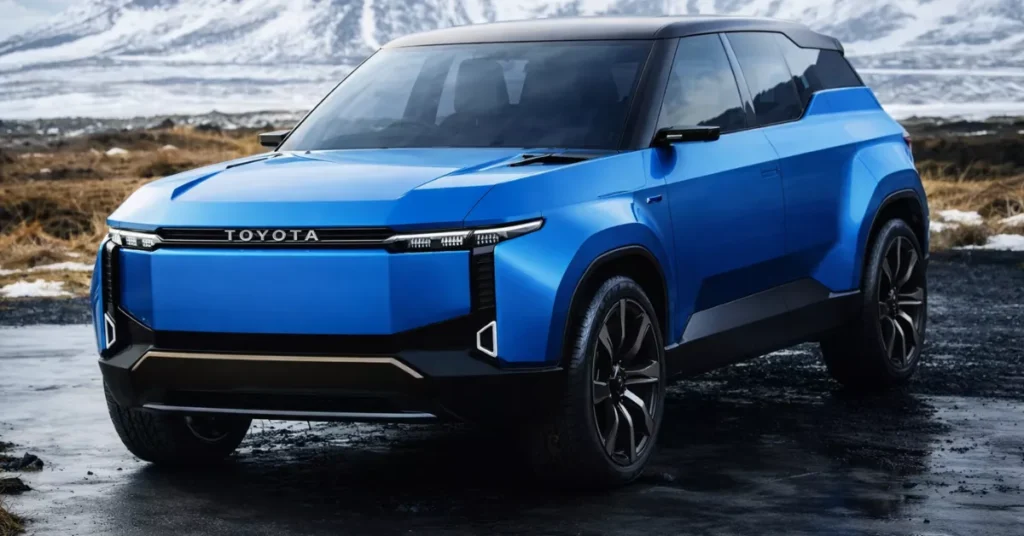
  • Toyota’s Next Compact Lifestyle Land Cruiser: Could It Be The Ultimate Thar Rival?

    Toyota’s teases a new compact lifestyle Land Cruiser SUV – rugged, stylish, and ready to challenge the Mahindra Thar. Discover all details here!

    Introduction: A Rugged Icon Meets Compact Charm

    Toyota is reportedly gearing up to make a splash in the compact lifestyle SUV segment. Fans of off-road adventures, urban explorers, and Mahindra Thar enthusiasts—get ready. The Japanese automaker seems to be planning a smaller, stylish Land Cruiser aimed at those who want ruggedness without the bulk. Could this be your next weekend warrior?

    Design & Style: Rugged Yet Refined

    Expect the new compact Land Cruiser to blend Toyota’s iconic tough SUV DNA with modern, lifestyle-friendly styling:

    • Exterior: Boxy and bold, with sharp edges, muscular fenders, and signature Land Cruiser grille. High ground clearance for off-road prowess.
    • Interior: Premium yet functional cabin, with durable materials, infotainment touchscreen, and cozy seating for 4–5 passengers.
    • Visual Highlights: Roof rails, LED headlights, alloy wheels, and optional two-tone color schemes to make it pop in city streets and trails alike.

    This SUV will likely offer the perfect balance between rugged charm and urban sophistication.

    Also Read: 2026 Ford Maverick Revealed Is Here: Small Pickup, Big Value

    Performance & Engine: Off-Road Ready

    Toyota is expected to equip the compact Land Cruiser with engines that cater to both city drives and off-road adventures:

    • Engine Options: Likely a small displacement petrol or diesel engine, possibly a turbocharged variant.
    • Drivetrain: 4×4 system for off-road enthusiasts, with a chance of AWD for urban users.
    • Transmission: Both manual and automatic options could be offered to suit diverse preferences.
    • Capabilities: Think high ground clearance, strong suspension, and excellent approach/departure angles for Thar-style adventures.

    Technology & Features: Modern Meets Practical

    This compact Land Cruiser is set to impress with modern tech:

    • Touchscreen infotainment with Android Auto and Apple CarPlay
    • Advanced driver-assist systems like hill start assist, traction control, and multiple airbags
    • Convenience features including push-button start, climate control, and smart key access

    Toyota seems determined to ensure this SUV isn’t just rugged—it’s also smart and connected.

    Market Positioning: The Thar Rival

    Why is this SUV seen as a Mahindra Thar rival?

    • Target Audience: Adventure-loving young buyers and urban SUV enthusiasts looking for style, practicality, and off-road capability.
    • Expected Price: Likely in the ₹15–20 lakh range in India, making it accessible to those who want a premium experience without a full-sized Land Cruiser budget.

    It’s positioned to attract buyers who love Thar’s charm but want a more refined, Toyota-branded package.

    Launch & Availability: What We Know

    • Expected Launch: 2026 is the anticipated timeline, with teasers possibly appearing sooner.
    • Markets: Initially India, with potential global rollouts in other compact SUV-friendly markets.
    • Teasers: Toyota has hinted at development but remains tight-lipped on final specs and design.

    Final Verdict: Why Watch This SUV

    The new compact Land Cruiser promises to be a thrilling blend of style, performance, and lifestyle appeal. If Toyota delivers, it could redefine what buyers expect from a small, rugged SUV and become a true competitor to the Mahindra Thar.

    FAQs

    1. When will the Toyota compact Land Cruiser launch in India?
    Expected in 2026, with teasers likely ahead of the official launch.

    2. What are the expected engine and drivetrain options?
    Possibly small petrol/diesel engines with 4×4 and AWD options, plus manual and automatic transmissions.

    3. How does it compare to the Mahindra Thar?
    It will offer similar off-road capabilities with more premium interiors, modern features, and Toyota reliability.

    4. What features will the new SUV offer?
    Infotainment with Android Auto/Apple CarPlay, safety driver aids, premium interiors, climate control, and smart convenience features.

  • 4 Exciting SUVs Set to Challenge Tata Sierra in India in 2026 – See What’s Coming!

    Exciting news for SUV fans! Discover the 4 all-new rivals of Tata Sierra launching in India in 2026. From Kia Seltos to Mahindra XUV700, see which SUV could be your next ride!

    The Indian SUV market is gearing up for a massive shake‑up in 2026, and if you’re eyeing the new Tata Sierra, you won’t be short of alternatives. With several major brands planning launches that directly challenge the Sierra’s mix of style, tech, and value, buyers will have more choice than ever before. Let’s break down the top 4 confirmed rivals that are set to battle it out with the Sierra on Indian roads next year.

    1. Kia Seltos (All‑New 2026 Generation)

    Launch Timeline: Early January 2026
    Why It Matters: The Kia Seltos is one of India’s most successful SUVs, and the second‑generation model is ready to raise the bar again. With a completely redesigned exterior, modern interior, and a host of tech and safety features, the new Seltos is a strong contender for buyers looking for a premium midsize SUV experience. Expect bigger dimensions, more features, and even better refinement compared to the outgoing model.

    What makes it stand out:

    • Refreshed, sharper design language
    • Bigger cabin and improved comfort
    • Tech‑rich cabin with modern infotainment
    • Strong brand trust and resale value

    Who it’ll attract: Urban SUV buyers who want a premium feel without paying flagship SUV money.

    2. Renault Duster (Third‑Generation)

    Launch Timeline: January 26, 2026
    Why It Matters: The Renault Duster — an iconic name in India — is back and redesigned from the ground up. This all‑new model brings modern styling, updated engines, and a more confidence‑inspiring stance. After years away from the market, the Duster’s return will surely catch the attention of buyers who prefer rugged, road‑ready SUVs.

    Key highlights:

    • Bold new look and refreshed design
    • Turbo‑petrol engines with competitive performance
    • Better value proposition with rugged character

    Who it’ll attract: Buyers looking for a tough SUV with everyday usability.

    Also Read: 2026 Ford Maverick Revealed Is Here: Small Pickup, Big Value

    3. Nissan Tekton

    Launch Timeline: Expected in H1 2026 (likely Feb‑Apr)
    Why It Matters: From Nissan comes the Tekton — a new midsize SUV that borrows underpinnings from the Renault Duster but lives as its own distinct product. It promises a fresh design, modern connectivity, and a strong value play in the segment.

    What to expect:

    • Contemporary SUV styling inspired by larger global models
    • Comfortable interiors with SUV‑friendly tech features
    • Competitive pricing to take on Seltos, Creta, and Sierra

    Who it’ll attract: Value‑oriented buyers who want a premium SUV without premium pricing.

    4. Mahindra XUV700 Facelift / XUV 7XO

    Launch Timeline: January 5, 2026
    Why It Matters: While technically a facelift, the Mahindra XUV700’s upcoming refreshed version — often referred to as the XUV 7XO — brings major updates that put it into play as a Sierra rival. With triple‑screen layouts, high‑end interior tech, and strong engine options, it’s now closer than ever to a segment‑defining SUV.

    Cool new stuff expected:

    • Triple 12.3‑inch screens (digital cluster + infotainment + passenger display)
    • Elevated interior quality and ambient lighting
    • Boss Mode and luxury‑centric features

    Who it’ll attract: Families and feature‑hungry buyers who want an SUV with extra cabin space and comfort.

    Bottom Line

    2026 is shaping up to be a monster year for the SUV segment in India. The Tata Sierra may have strong appeal thanks to its heritage, tech, and fresh entry, but with rivals like the all‑new Kia Seltos, modernised Renault Duster, Nissan Tekton, and upgraded Mahindra XUV700 7XO, customers will have four strong alternatives to consider. Each brings a unique strength — whether design, tech, utility, or value — making it one of the most exciting times to be an SUV buyer in the country.

    Conclusion

    The SUV segment in India is entering an exciting era in 2026. The Tata Sierra may have its loyal fans, but with rivals like the all‑new Kia Seltos, modernised Renault Duster, Nissan Tekton, and upgraded Mahindra XUV700 7XO, buyers will enjoy more options, better technology, and competitive pricing than ever before. Whether you prioritize style, tech, ruggedness, or value, there’s a SUV ready to match your preferences.

    Disclaimer

    This article is intended for informational and news purposes only. All launch dates, specifications, and features mentioned are based on currently available reports and announcements. Final specifications, features, and prices may vary at the time of official launch. Buyers are advised to check with authorized dealerships before making any purchase decisions.

    FAQs: 4 Tata Sierra Rivals Launching in 2026

    Q1: Which SUVs are confirmed to rival the Tata Sierra in 2026?
    A: The confirmed rivals are the all-new Kia Seltos, third-generation Renault Duster, Nissan Tekton, and the facelifted Mahindra XUV700 (XUV 7XO).

    Q2: When will these SUVs launch in India?
    A: Launch timelines are expected in early 2026: Kia Seltos in January, Renault Duster on January 26, Mahindra XUV700 facelift in early January, and Nissan Tekton likely between February and April.

    Q3: Which rival offers the most premium features?
    A: The Mahindra XUV700 facelift (XUV 7XO) is expected to offer the most premium tech features, including triple digital screens, advanced infotainment, and luxury-centric cabin upgrades.

    Q4: Are all these SUVs value-oriented for Indian buyers?
    A: Yes, all four models are designed to offer a balance of style, performance, and value, making them competitive alternatives to the Tata Sierra.

    Q5: Should I wait for these launches before buying a Tata Sierra?
    A: If you want to explore all options and compare features, it may be worth waiting. However, the Tata Sierra already offers modern styling and tech, so your choice depends on your priorities.

  • Suzuki Jimny Roars Back with Monster Hunter Wilds Edition : Adventure Gets Real!

    Suzuki Jimny Monster Hunter Wilds Edition is here rugged, fantasy-inspired design with adventure-ready off-road capability.

    Adventure lovers and gaming enthusiasts, get ready: Suzuki has unveiled a bold new twist on its popular Jimny SUV with the Monster Hunter Wilds Edition. This special edition isn’t just a car; it’s an experience. Inspired by the legendary Monster Hunter video game, Suzuki has transformed the Jimny into a fantasy-inspired, adventure-ready SUV that’s bound to turn heads wherever it goes.

    A Design Straight Out of a Game

    The first thing you notice about the Monster Hunter Wilds Edition is its striking, game-inspired look. Unlike standard Jimny models, this edition sports earthy tones, bold decals, and metallic accents that give it a rugged yet playful personality. The theme is designed to make drivers feel like they’re stepping into a real-life adventure game every time they hit the road.

    From the custom graphics to the adventure-ready trim, every detail is meant to reflect the fantasy world of monster hunting. The SUV features a reinforced roof rack, stylish alloy wheels, and protective body trims. Even the mirrors and bumpers have received subtle thematic touches that make the SUV feel unique without compromising its everyday practicality.

    Also Read: 2026 Ford Maverick Revealed Is Here: Small Pickup, Big Value

    Classic Jimny Performance Meets Fantasy

    While the design grabs attention, the Monster Hunter Wilds Edition remains true to the Jimny’s off-road roots. Suzuki’s AllGrip 4WD system and durable ladder-frame chassis ensure that this SUV can tackle forests, mountain trails, and desert terrains just like its standard counterpart.

    The ride quality remains smooth and predictable, giving drivers confidence both on city roads and rough trails. In addition to its four-wheel-drive capability, the Jimny’s compact dimensions make it surprisingly agile in tight spaces, perfect for off-road adventure or navigating narrow mountain roads.

    Adventure-Ready Features

    Suzuki has packed the Monster Hunter edition with subtle, adventure-friendly upgrades. The roof rack isn’t just for show — it can carry camping gear, bicycles, or extra luggage for long trips. The robust alloy wheels and all-terrain tires provide grip in challenging conditions, while protective trims help prevent scratches from rocks and branches during off-road excursions.

    Inside, the Jimny maintains its practical and functional interior, with comfortable seating and a simple, intuitive layout. While there are no extreme changes inside, small thematic touches like custom seat stitching, themed mats, or unique badges can enhance the immersive feel for fans of the Monster Hunter universe.

    Why This Edition Matters

    Special editions like the Monster Hunter Wilds Edition serve two purposes. First, they give car enthusiasts a chance to own something unique and visually striking. Second, they create a bridge between automotive culture and popular media, in this case, gaming. For Suzuki, this edition strengthens the Jimny’s image as a fun, adventurous, and youthful SUV.

    It also appeals to a niche audience: gamers, off-road enthusiasts, and collectors who love vehicles with a story behind them. The fantasy-inspired visuals combined with proven off-road capabilities create a vehicle that’s both playful and practical.

    Limited Edition Appeal

    One key aspect of the Monster Hunter Wilds Edition is its exclusivity. Limited production numbers make this Jimny a collectible, ensuring it stands out in a world of mass-produced SUVs. While Suzuki hasn’t confirmed whether it will be available globally, this edition is certain to generate buzz among enthusiasts.

    Even for those who cannot purchase it, seeing it on the road or in media creates excitement and reinforces the Jimny’s reputation as a versatile, adventure-ready vehicle. It’s a perfect example of how a car can become more than just transportation — it becomes an experience, a conversation starter, and a lifestyle choice.

    Final Verdict

    The Suzuki Jimny Monster Hunter Wilds Edition successfully merges fantasy-inspired design with real-world functionality. Its bold aesthetics, off-road prowess, and adventure-ready features make it ideal for anyone looking to add a touch of excitement to their daily drives or weekend trips.

    Whether you’re a gaming fan who wants to drive your favorite universe or an off-road enthusiast seeking a unique SUV, this Jimny edition delivers on all fronts. It’s playful yet practical, rugged yet stylish — an SUV that feels alive, adventurous, and ready to tackle whatever comes your way.

    In a world full of similar-looking cars, Suzuki’s Monster Hunter Wilds Edition stands out, proving that automotive design can be bold, imaginative, and thrilling. Adventure doesn’t start when you reach the trailhead; it starts the moment you sit behind the wheel .

    FAQ : Suzuki Jimny Monster Hunter Wilds Edition

    1. What is the Suzuki Jimny Monster Hunter Wilds Edition?
    The Monster Hunter Wilds Edition is a special edition of the Suzuki Jimny SUV, inspired by the popular Monster Hunter video game. It features unique graphics, adventure-ready trims, and a rugged design for off-road enthusiasts.

    2. What makes the Monster Hunter edition different from a standard Jimny?
    This edition has bold, game-inspired decals, metallic accents, adventure-ready roof racks, custom alloy wheels, and subtle interior touches. It combines the classic Jimny off-road capability with fantasy-inspired styling.

    3. Does it affect the performance of the Jimny?
    No, the Monster Hunter Wilds Edition retains the standard Jimny’s proven off-road performance, including Suzuki’s 4WD system and durable ladder-frame chassis.

    4. Where is the Monster Hunter Wilds Edition available?
    This edition is launched in Japan and may be available as a limited-run model. Availability in other countries depends on Suzuki’s future plans.

    5. Is this edition suitable for off-road adventures?
    Yes! With its 4WD system, rugged chassis, all-terrain tires, and adventure-ready accessories, it is perfectly suited for forest trails, mountain paths, and desert terrains.

    6. What is the interior like in this edition?
    The interior retains the practical and functional layout of the standard Jimny, with small thematic upgrades like custom seat stitching, themed mats, and unique badges to enhance the Monster Hunter experience.

  • 2026 Ford Maverick Revealed Is Here: Small Pickup, Big Value

    The 2026 Ford Maverick blends bold looks, impressive fuel efficiency, and smart features in an affordable compact pickup made for modern drivers.

    The 2026 Ford Maverick is making waves in the compact pickup world, offering a perfect mix of bold styling, fuel-efficient performance, and practicality—all at a price that won’t break the bank. Ford has designed the Maverick for city drivers, weekend adventurers, and small families, creating a versatile vehicle that’s as capable on urban streets as it is on outdoor trails.

    Striking Exterior Design

    Ford has given the Maverick a rugged yet modern look that immediately stands out. The bold front grille, sharp LED headlights, and sculpted hood give the truck an assertive presence, while muscular fenders and flowing aerodynamic lines balance toughness with sophistication.

    From the side, well-proportioned wheel arches and sleek alloy wheels add a sporty touch, and the practical door layout ensures easy access. At the rear, an intelligently designed tailgate and integrated LED taillights combine utility with contemporary styling. Overall, the Maverick’s exterior is a confident statement that appeals to both style-conscious and practical buyers.

    Efficient Engine Choices

    The 2026 Maverick comes with two main powertrain options:

    • Hybrid Variant: Combines strong acceleration with excellent fuel efficiency, perfect for daily city commutes.
    • Gasoline Engine: Offers reliable performance for towing, hauling light loads, and outdoor adventures.

    Both engines are mated to smooth automatic transmissions, delivering seamless power and a comfortable driving experience. The suspension system is finely tuned to absorb bumps and maintain stability across diverse terrains, making every drive enjoyable.

    Compact Yet Practical Truck Bed

    Despite its compact dimensions, the Maverick’s truck bed is surprisingly versatile. Durable materials, tie-down points, and optional bed liners make loading and securing cargo simple. Optional accessories like bed extenders and cargo management systems enhance functionality, whether you’re carrying work gear, groceries, or outdoor equipment. The design ensures maximum utility without compromising maneuverability in tight city streets.

    Comfortable and Tech-Savvy Cabin

    Inside, the Maverick focuses on comfort and convenience. Ergonomically designed seats provide excellent support, while the dashboard layout makes essential controls easy to access. A touchscreen infotainment system comes standard, complete with Apple CarPlay, Android Auto, and Bluetooth, and optional premium trims offer enhanced materials and finishes. Multiple USB ports, storage compartments, and optional tech upgrades like wireless charging and premium audio make every ride more enjoyable.

    Safety and Connectivity

    Safety is a priority for Ford. Standard features include multiple airbags, reinforced structural components, traction and stability control, and advanced braking systems. Optional driver-assistance technologies like lane-keeping assist and adaptive cruise control add an extra layer of protection. Smart connectivity features keep drivers informed and entertained, making the Maverick both secure and convenient for daily use.

    Fuel Efficiency and Eco-Friendly Performance

    The hybrid variant of the Maverick is designed for outstanding fuel economy without sacrificing performance. Reduced emissions and energy-saving technology make it an environmentally responsible choice. Lower fuel consumption also translates to long-term savings, further boosting its appeal as a practical, budget-conscious pickup.

    Pricing and Market Appeal

    The 2026 Ford Maverick is competitively priced, making it an attractive option for first-time truck buyers, young professionals, and small families. Optional packages allow customization with convenience, tech, or premium features without dramatically increasing the cost, giving buyers excellent value in the compact pickup segment.

    Why the 2026 Maverick Shines

    The Maverick stands out for its combination of affordability, practicality, and modern design. Its fuel-efficient hybrid option, versatile truck bed, tech-forward interior, and smooth ride make it an all-rounder for urban and suburban lifestyles. The truck is equally at home on a city commute, weekend getaway, or light-duty work, offering unmatched flexibility in its class.

    Final Verdict

    The 2026 Ford Maverick delivers a compelling compact pickup experience. With bold looks, efficient performance, a versatile truck bed, and advanced technology, it’s a smart choice for anyone seeking a stylish, practical, and affordable pickup. Fuel-efficient, reliable, and fun to drive, the Maverick offers excellent value and checks all the boxes for modern buyers.

    Disclaimer

    Specifications, pricing, and features are based on current information and may vary depending on market and production updates. Always confirm details with official Ford sources or authorized dealerships .