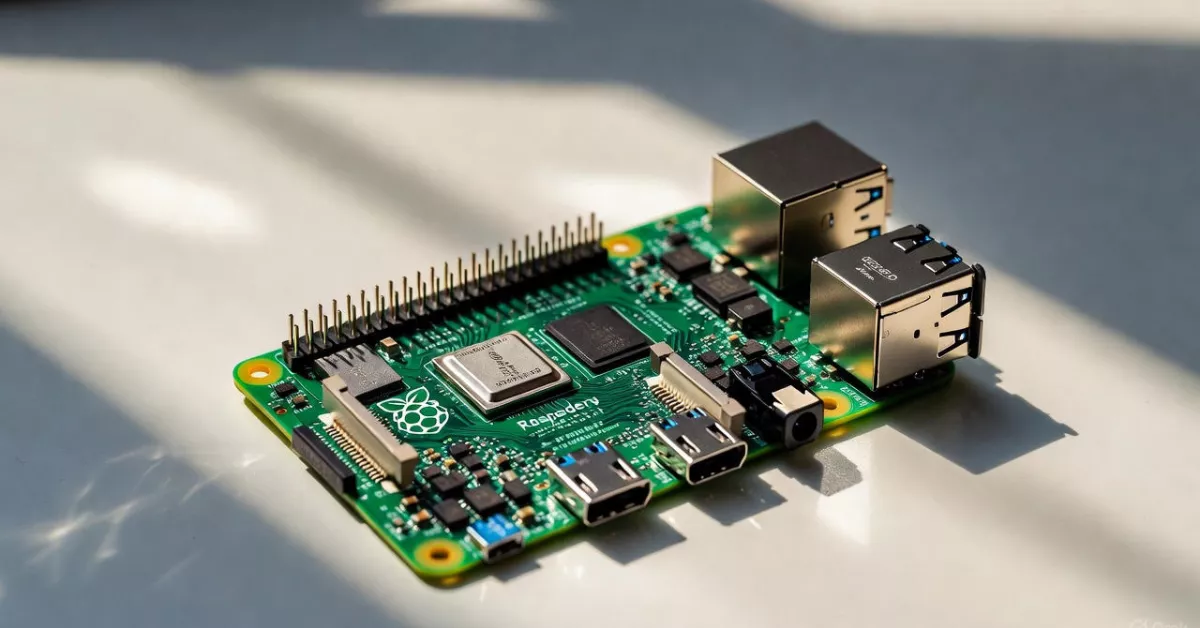
Discover how this Tiny Raspberry Pi can replace your desktop PC. Affordable, portable, and powerful, this device is changing computing forever.
Ever imagined a full-fledged PC that fits in your pocket? The latest Raspberry Pi makes it possible. With powerful specs, low energy consumption, and extreme versatility, this tiny device is capturing the attention of tech enthusiasts and everyday users alike. Let’s explore why it’s being called the ultimate budget PC alternative.
Why Raspberry Pi Is More Than Just a Hobbyist Device
The newest Raspberry Pi models come with multi-core processors, up to 8GB RAM, USB 3.0 ports, and even support for dual 4K displays. That means you can run web browsers, office apps, coding environments, and even light multimedia editing software without lag. Tech reviewers are calling it a “pocket powerhouse” that rivals entry-level desktops.
Affordable Computing Without Compromise
One of the biggest advantages of the Raspberry Pi is cost. Starting at just $35, it’s a fraction of the price of traditional PCs. Whether you’re a student, freelancer, or remote worker, this device offers all the essentials without draining your wallet. Plus, it consumes only 5–15 watts of power, making it eco-friendly and perfect for continuous use.
Portable and Customizable Setup
Pair the Raspberry Pi with a portable monitor, compact keyboard, and mouse, and you have a fully functional desktop you can carry anywhere. Choose your operating system—Linux-based distributions, Windows-like alternatives, or media-focused OS like Kodi—to customize your setup for productivity, gaming, or streaming.
Practical Use Cases for Everyday Users
- Work from Home: Ideal for document editing, video calls, and online research.
- Learning & Coding: Perfect for programming, electronics, and DIY projects.
- Media & Entertainment: Stream movies, music, or run retro gaming consoles.
- Secondary PC: Acts as a backup or portable workstation when needed.
Why Everyone Is Talking About It
From tech enthusiasts to casual users, the Raspberry Pi is gaining popularity because it defies expectations. Its combination of portability, affordability, and performance makes it an attractive alternative to traditional PCs. With a growing ecosystem of accessories and software support, it’s easier than ever to set up your pocket-sized powerhouse.
Conclusion
The tiny Raspberry Pi is proof that big things come in small packages. If you’re looking for an affordable, portable, and versatile computing solution, it might be time to rethink what a PC should be. Ready to make the switch? Your pocket-sized computer adventure awaits!
FAQs of Tiny Raspberry Pi
1. Can a Raspberry Pi fully replace my desktop PC?
Yes, for basic computing tasks like browsing, office work, and media streaming, modern Raspberry Pi models can act as a full desktop replacement.
2. Which Raspberry Pi model is best for replacing a PC?
The Raspberry Pi 4 with 8GB RAM is currently the most powerful option suitable for desktop computing.
3. Do I need extra accessories to use Raspberry Pi as a PC?
Yes, you’ll need a monitor, keyboard, mouse, and microSD card with an operating system.
4. Can Raspberry Pi handle gaming or multimedia editing?
It can handle light gaming and media editing, but it’s not ideal for high-end gaming or professional-grade video editing.
5. Is Raspberry Pi energy-efficient compared to a traditional PC?
Absolutely! It consumes just 5–15 watts, much lower than a standard desktop PC, making it cost-effective and eco-friendly.

Mr. Raj Kumar is a highly experienced Technical Content Engineer with 7 years of dedicated expertise in the intricate field of embedded systems. At Embedded Prep, Raj is at the forefront of creating and curating high-quality technical content designed to educate and empower aspiring and seasoned professionals in the embedded domain.
Throughout his career, Raj has honed a unique skill set that bridges the gap between deep technical understanding and effective communication. His work encompasses a wide range of educational materials, including in-depth tutorials, practical guides, course modules, and insightful articles focused on embedded hardware and software solutions. He possesses a strong grasp of embedded architectures, microcontrollers, real-time operating systems (RTOS), firmware development, and various communication protocols relevant to the embedded industry.
Raj is adept at collaborating closely with subject matter experts, engineers, and instructional designers to ensure the accuracy, completeness, and pedagogical effectiveness of the content. His meticulous attention to detail and commitment to clarity are instrumental in transforming complex embedded concepts into easily digestible and engaging learning experiences. At Embedded Prep, he plays a crucial role in building a robust knowledge base that helps learners master the complexities of embedded technologies.