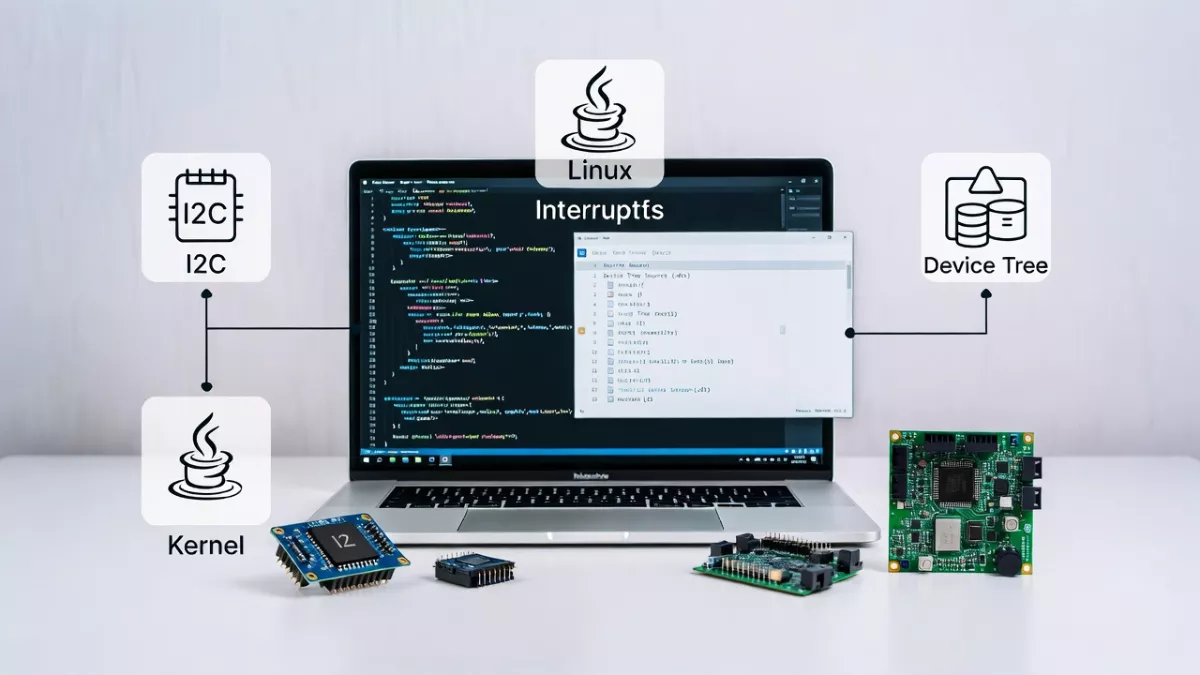
Learn why Need for Kernel Programming is essential for embedded systems, device drivers, and OS optimization. A beginner-friendly guide with examples.
When we talk about kernel programming, it might sound like something very advanced and complicated. But in reality, it’s a crucial part of how modern computers, operating systems, and devices work. Whether you’re a beginner in embedded systems or a curious software developer, understanding why kernel programming matters will give you a strong foundation.
Let’s break it down in simple terms.
What is the Kernel?
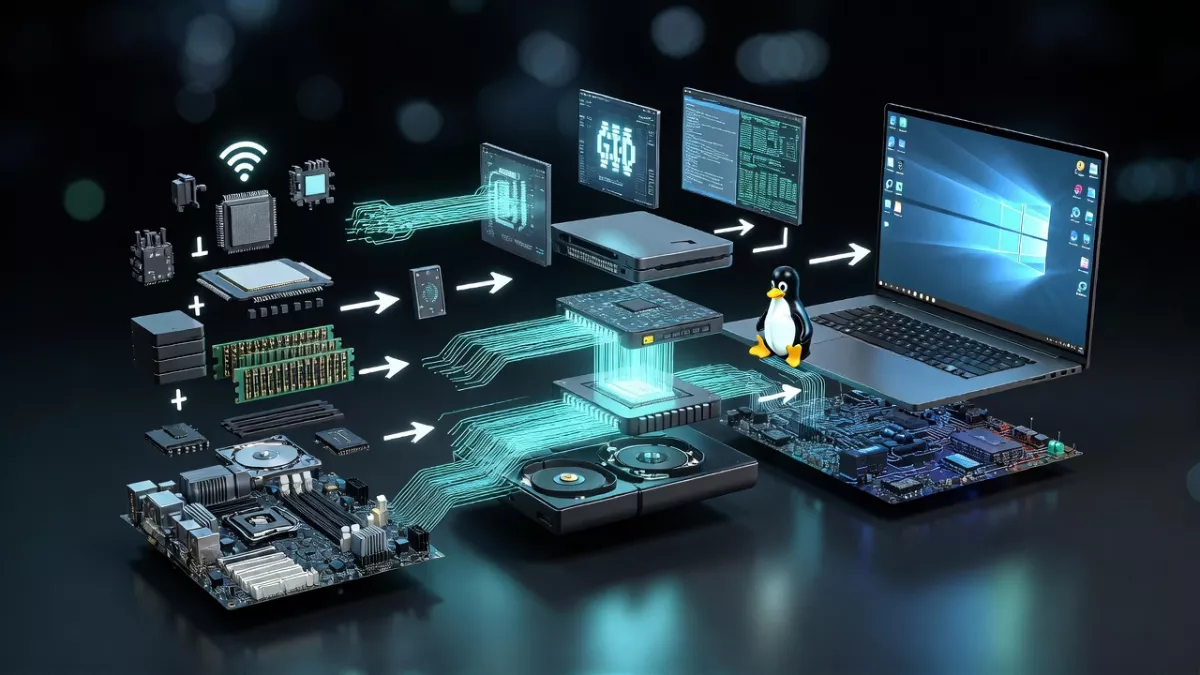
Think of the kernel as the heart of an operating system. It acts as a bridge between software and hardware. Whenever your program needs to use a hardware component — like memory, CPU, disk storage, or communication interfaces — the kernel steps in to manage these requests safely and efficiently.
In short, the kernel is responsible for:
- Resource management (CPU scheduling, memory allocation)
- Device control (drivers, hardware interaction)
- System security (managing permissions and access)
- Process management (creating, scheduling, and terminating processes)
Why Kernel Programming is Important
1. Better Control Over Hardware
For embedded systems, operating systems like Linux run close to the hardware level. If you want to optimize performance, control peripherals directly, or implement custom device drivers, you need kernel programming skills.
2. Custom Functionality
Sometimes, the existing operating system cannot meet the exact requirements of a project. Kernel programming lets developers add custom features to the OS, enabling specific functionalities. For example, real-time systems often require kernel modifications for better timing control.
3. Performance Optimization
Kernel-level code runs faster because it works directly with hardware and system resources. For applications requiring high speed and low latency, kernel programming can make a huge difference.
4. Building Device Drivers
Device drivers are a key part of kernel programming. Without drivers, hardware devices won’t work with the OS. Writing custom drivers allows integration of new hardware with the system.
5. Understanding System Internals
Learning kernel programming gives you deep insight into how operating systems work internally — knowledge that is valuable for any systems programmer or embedded engineer.
Real-Life Example
Imagine you are developing an IoT device like a smart thermostat. The device needs to read sensor data in real time and control heating/cooling without delay. To achieve this, you might need to write a kernel module that directly interacts with hardware sensors, bypassing unnecessary overhead.
How to Get Started with Kernel Programming
If you’re new, here’s a simple roadmap:
- Learn C programming — most kernels (like Linux) are written in C.
- Understand operating system concepts — processes, memory management, interrupts.
- Explore Linux kernel source code — a treasure trove for learning.
- Write simple kernel modules — start with “Hello World” kernel module examples.
- Experiment with device drivers — build a basic driver for a peripheral.
Linux Kernel Module Example
Example: Simple Kernel Module (“Hello World”)
A kernel module is a piece of code that can be loaded into the kernel at runtime. It’s often used to add features without rebuilding the kernel.
Hello World Kernel Module Code
// hello_module.c
#include <linux/init.h>    // Required for init and exit macros
#include <linux/module.h>  // Core header for loading modules
#include <linux/kernel.h>  // Kernel log functions

MODULE_LICENSE("GPL");
MODULE_AUTHOR("Nish");
MODULE_DESCRIPTION("A Simple Hello World Kernel Module");
MODULE_VERSION("1.0");

// Initialization function
static int __init hello_init(void) {
    printk(KERN_INFO "Hello, Kernel World!\n");
    return 0; // Return 0 means success
}

// Cleanup function
static void __exit hello_exit(void) {
    printk(KERN_INFO "Goodbye, Kernel World!\n");
}

// Macros for registering functions
module_init(hello_init);
module_exit(hello_exit);
How to Compile the Kernel Module
- Create a
Makefile:
obj-m += hello_module.o

all:
	make -C /lib/modules/$(shell uname -r)/build M=$(PWD) modules

clean:
	make -C /lib/modules/$(shell uname -r)/build M=$(PWD) clean
- Compile the module:
make
- Insert the module into the kernel:
sudo insmod hello_module.ko
- Check kernel messages:
dmesg | tail
You should see:
Hello, Kernel World!
- Remove the module:
sudo rmmod hello_module
And in dmesg:
Goodbye, Kernel World!How This Code Helps Understand Kernel Programming
printk: Similar toprintfin C, but used for kernel logs.- Module initialization and cleanup functions: Show how kernel modules are loaded and unloaded.
- Macros (
module_initandmodule_exit): Connect functions to kernel events. - Makefile: Demonstrates how to compile a kernel module outside the kernel tree.
FAQs – Understanding the Need for Kernel Programming
Q1: Do I need kernel programming for every software project?
No. Kernel programming is mainly needed for system-level development, embedded systems, and drivers. Regular application development doesn’t require it.
Q2: Which programming language is used for kernel programming?
C is the most common language for kernel development. Knowledge of assembly language can also be beneficial.
Q3: Is kernel programming difficult?
It can be challenging, but with the right learning path, even beginners can start with simple kernel modules and gradually build expertise.
Q4: Why is kernel programming important in embedded systems?
Embedded systems interact closely with hardware. Kernel programming allows customization, optimization, and driver development for these systems.


Mr. Raj Kumar is a highly experienced Technical Content Engineer with 7 years of dedicated expertise in the intricate field of embedded systems. At Embedded Prep, Raj is at the forefront of creating and curating high-quality technical content designed to educate and empower aspiring and seasoned professionals in the embedded domain.
Throughout his career, Raj has honed a unique skill set that bridges the gap between deep technical understanding and effective communication. His work encompasses a wide range of educational materials, including in-depth tutorials, practical guides, course modules, and insightful articles focused on embedded hardware and software solutions. He possesses a strong grasp of embedded architectures, microcontrollers, real-time operating systems (RTOS), firmware development, and various communication protocols relevant to the embedded industry.
Raj is adept at collaborating closely with subject matter experts, engineers, and instructional designers to ensure the accuracy, completeness, and pedagogical effectiveness of the content. His meticulous attention to detail and commitment to clarity are instrumental in transforming complex embedded concepts into easily digestible and engaging learning experiences. At Embedded Prep, he plays a crucial role in building a robust knowledge base that helps learners master the complexities of embedded technologies.