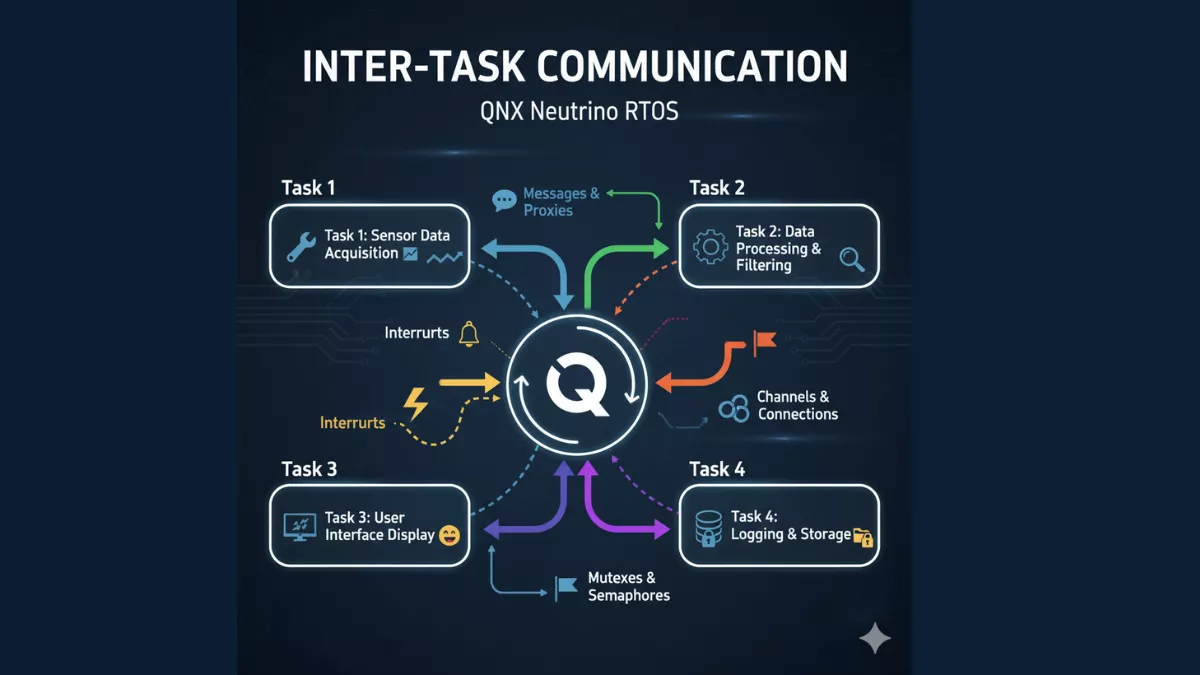
Learn how to recover from a deadlock step by step. Detect, handle, and fix system deadlocks using simple, effective recovery methods explained clearly.
Have you ever had your system freeze up, where no process seems to move, and it feels like the whole computer just gave up? That’s what we call a deadlock. It’s one of those annoying problems in computing that can make even a powerful system completely useless. So, the real question is — how to recover from a deadlock once it happens?
Let’s sit down and go step by step, like we’re figuring it out together over a cup of coffee.
What Exactly Is a Deadlock?
Before you learn how to recover from a deadlock, you need to know what causes it.
A deadlock happens when two or more processes are waiting for each other to release resources — but none of them ever do. Imagine two people standing in a narrow doorway, both refusing to move until the other steps aside. That’s your system in deadlock mode.
In technical terms, a deadlock occurs when four conditions exist together:
- Mutual exclusion – only one process can use a resource at a time.
- Hold and wait – a process holds one resource and waits for another.
- No preemption – resources can’t be forcibly taken away.
- Circular wait – a chain of processes waiting on each other in a loop.
Understanding this helps a lot before we dive into how to recover from a deadlock effectively.
The Core Idea Behind Deadlock Recovery
When a deadlock happens, you’ve got two choices:
- Break it, or
- Avoid it before it happens.
Since we’re focusing on how to recover from a deadlock, let’s assume it’s already there. The main goal is to detect it, pick a process to terminate or roll back, and free up resources so everything starts running again.
Step-by-Step: How to Recover from a Deadlock
Let’s break it down into simple, practical steps so you can understand how to recover from a deadlock both conceptually and in real systems.
1. Detect the Deadlock
The first step in how to recover from a deadlock is to detect that one even exists.
Most operating systems use a deadlock detection algorithm, such as the Wait-for Graph. It checks if there’s a circular dependency between processes. If yes — bingo, you’ve got a deadlock.
2. Terminate One or More Processes
If you want to know how to recover from a deadlock fast, this is the most direct way. Terminate one of the processes that’s part of the cycle. Usually, the system chooses the process with the least cost or least progress made.
It’s like unclogging a traffic jam by moving just one car.
3. Preempt Resources
Another way of how to recover from a deadlock is by taking resources away from some processes temporarily. Once freed, other processes can continue. This method is tricky, though, because it can lead to inconsistent states if not handled carefully.
4. Rollback Processes
If you’re looking for a safe and reversible method for how to recover from a deadlock, try rolling back one or more processes to a previous checkpoint. This is common in databases where transactions can be undone safely.
5. Restart the System (Last Resort)
If all else fails, the simplest answer to how to recover from a deadlock is to restart the system. It’s not elegant, but sometimes it’s the only option when things get too tangled.
Common Deadlock Recovery Methods
Here are some of the popular deadlock recovery methods that operating systems and databases use:
- Resource preemption
- Process termination
- Rollback and retry
- Priority-based selection
Each of these plays a role in how to recover from a deadlock depending on the system design.
Tips to Avoid Future Deadlocks
Now that you know how to recover from a deadlock, the smarter move is to avoid them in the first place.
Here’s how:
- Always acquire resources in the same order.
- Use timeouts when requesting resources.
- Implement deadlock detection algorithms periodically.
- Release resources quickly after use.
Avoiding a deadlock is much easier than figuring out how to recover from a deadlock after your system freezes.
Real-Life Analogy
Let’s make it more fun. Picture two friends texting each other:
- Friend A says, “You reply first.”
- Friend B says, “No, you reply first.”
And now they both wait. Forever.
That’s a deadlock. And how to recover from a deadlock here? Easy — one of them just replies!
Why Deadlock Recovery Matters
Here are some of the popular deadlock recovery methods that operating systems and databases use:
- Resource preemption
- Process termination
- Rollback and retry
- Priority-based selection
Each of these plays a role in how to recover from a deadlock depending on the system design.
If you’re working with real-time operating systems (RTOS) like FreeRTOS, understanding synchronization tools such as semaphores can help prevent or manage deadlocks more effectively. You can explore this in detail here — Semaphore in FreeRTOS — which explains how semaphores work to control resource access and avoid system lock-ups.
Final Thoughts
If your system ever freezes because of conflicting resource requests, remember that how to recover from a deadlock starts with understanding the cause, detecting it early, and using smart recovery techniques like rollback, preemption, or termination.
To wrap it up:
- Detect early.
- Act smartly.
- Avoid repetition.
Now you know exactly how to recover from a deadlock and how to prevent it next time.
FAQs on How to Recover from a Deadlock
Q1: What is the first step in how to recover from a deadlock?
The first step is deadlock detection — identifying the cycle of processes that are waiting for each other.
Q2: Which methods are used to recover from a deadlock?
Common deadlock recovery methods include process termination, resource preemption, and rollback.
Q3: How can I avoid deadlocks in an operating system?
Avoid circular waits, acquire resources in the same order, and release resources quickly.
Q4: Is restarting the system a valid way to recover from a deadlock?
Yes, but it’s a last resort. Restarting clears all processes but may result in data loss.
Q5: Why is it important to learn how to recover from a deadlock?
Because deadlocks can halt systems completely — knowing how to recover from a deadlock helps you maintain reliability and uptime.


Mr. Raj Kumar is a highly experienced Technical Content Engineer with 7 years of dedicated expertise in the intricate field of embedded systems. At Embedded Prep, Raj is at the forefront of creating and curating high-quality technical content designed to educate and empower aspiring and seasoned professionals in the embedded domain.
Throughout his career, Raj has honed a unique skill set that bridges the gap between deep technical understanding and effective communication. His work encompasses a wide range of educational materials, including in-depth tutorials, practical guides, course modules, and insightful articles focused on embedded hardware and software solutions. He possesses a strong grasp of embedded architectures, microcontrollers, real-time operating systems (RTOS), firmware development, and various communication protocols relevant to the embedded industry.
Raj is adept at collaborating closely with subject matter experts, engineers, and instructional designers to ensure the accuracy, completeness, and pedagogical effectiveness of the content. His meticulous attention to detail and commitment to clarity are instrumental in transforming complex embedded concepts into easily digestible and engaging learning experiences. At Embedded Prep, he plays a crucial role in building a robust knowledge base that helps learners master the complexities of embedded technologies.